
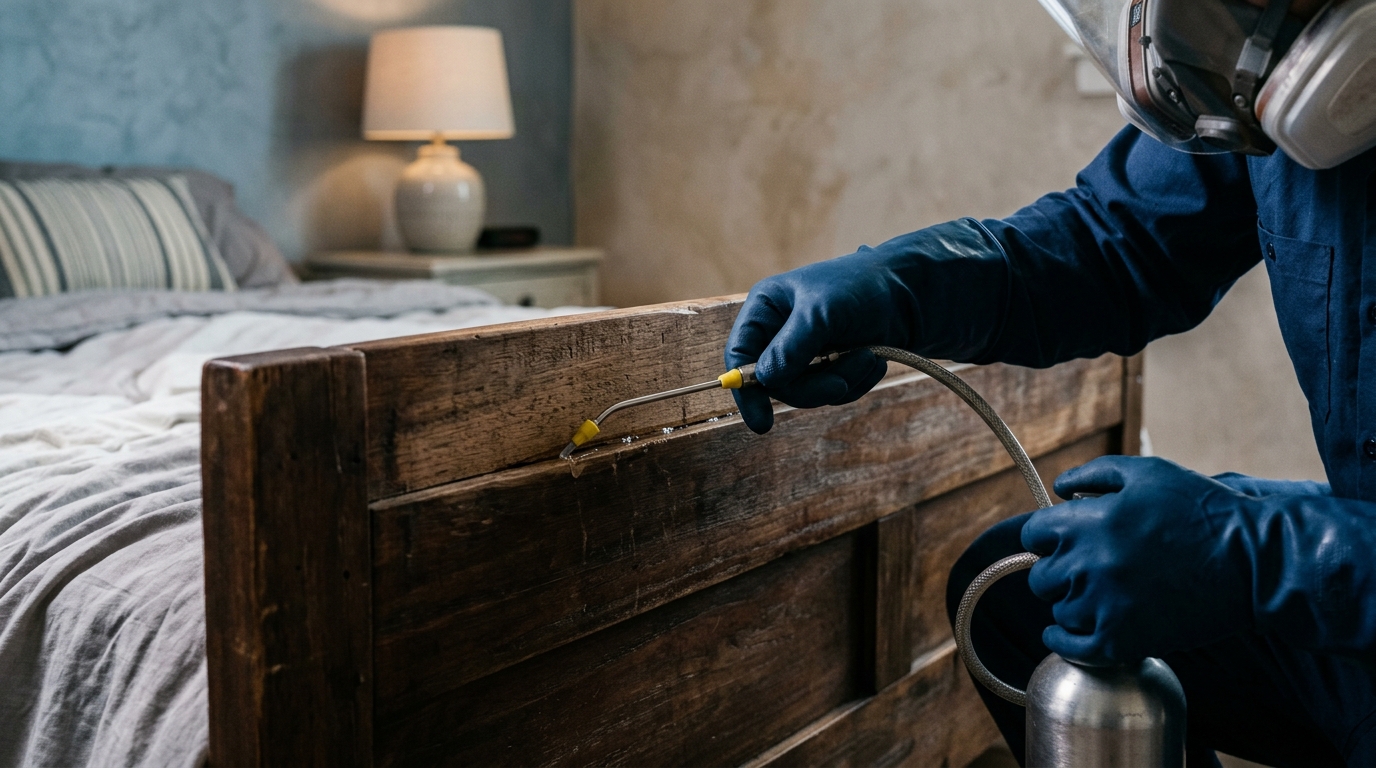
Targeted bed bug extermination in NJ remains the most cost-effective and widely used method for eliminating infestations in homes, apartments, and commercial properties. At Promax Bed Bug Experts, we’ve refined our targeted treatment protocol over 11 years of service in Passaic County and surrounding areas, using EPA-registered pesticides applied by licensed technicians to achieve complete elimination.
Our targeted approach combines residual insecticides that remain active for weeks with contact treatments that kill on application. This dual-action strategy addresses both the bed bugs you see today and the eggs that will hatch over the next two weeks.
Why Targeted Bed Bug Treatment Works
Targeted bed bug extermination in NJ offers distinct advantages over alternative methods. Heat treatments require expensive equipment and provide no residual protection. Once the temperature drops, any bed bugs that survived in wall voids or adjacent units can return. Targeted treatments leave active ingredients that continue killing for 60-90 days after application.
The EPA has approved specific pesticide categories for bed bug control after rigorous testing for both efficacy and safety. Our technicians apply these products in crack-and-crevice treatments and light surface applications where bed bugs hide, travel, and feed.
Three Categories of EPA-Approved Bed Bug Pesticides
- Residual liquid insecticides: Applied to baseboards, bed frames, furniture joints, and other harborage areas. These products continue killing bed bugs for weeks after application as insects contact treated surfaces.
- Contact aerosol treatments: Used for direct application to visible bed bugs and immediate knockdown in cracks and crevices where residual liquids cannot reach.
- Insect growth regulators (IGRs): Disrupt the bed bug life cycle, preventing nymphs from maturing into reproducing adults and reducing population growth between visits.
Professional exterminators combine these categories in targeted applications. We don’t spray entire rooms or soak mattresses. We treat the specific locations where bed bugs hide during daylight hours and the pathways they use to reach sleeping areas at night.
The Three-Visit Targeted Treatment Protocol
Complete bed bug elimination requires multiple treatments. Bed bug eggs have a protective shell that resists most pesticides. A single treatment kills adult bed bugs and nymphs but cannot penetrate all eggs. Those eggs hatch 6-12 days later, producing a new generation of nymphs that must contact the residual insecticide or be targeted in follow-up visits.
| Visit | Timing | Purpose | Expected Results |
|---|---|---|---|
| Initial Treatment | Day 1 | Kill adult bed bugs, nymphs, and accessible eggs. Establish residual barrier. | 70-85% population reduction within 48 hours. Visible activity drops significantly. |
| Follow-Up #1 | 10-14 days | Target newly hatched nymphs. Reinforce residual treatment in high-activity zones. | 95%+ reduction. Occasional nymphs from late-hatching eggs may appear. |
| Follow-Up #2 | 21-28 days | Final inspection and spot treatment. Verify elimination is complete. | 100% elimination confirmed. No live bed bugs, cast skins, or fecal spotting. |
This three-visit protocol is standard throughout New Jersey and recommended by entomologists who study bed bug biology. Attempts to complete treatment in one or two visits typically result in reinfestation from surviving eggs.
What Happens on Treatment Day
Our targeted bed bug spray treatment in NJ begins with a detailed inspection. Technicians identify harborage areas, assess infestation severity, and map treatment zones. This inspection determines product selection and application methods for your specific situation.
Room-by-Room Application Process
We treat infested rooms and adjacent spaces where bed bugs may have spread. The technician will:
- Dismantle bed frames: Remove headboards, footboards, and support rails to access joints, screw holes, and crevices where bed bugs hide.
- Treat furniture thoroughly: Apply residual insecticide to couches, chairs, nightstands, and dressers, focusing on seams, joints, and undersides.
- Address baseboards and trim: Use crack-and-crevice tools to inject product into gaps between baseboards and walls, behind outlet covers, and along carpet edges.
- Target electrical outlets and switches: Bed bugs frequently hide behind wall plates. We remove covers and treat void spaces with aerosol applications.
- Spray bed bug travel routes: Apply residual treatment along pathways bed bugs use to reach sleeping areas from hiding spots.
Treatment time varies by property size and infestation severity. A typical bedroom requires 45-60 minutes. Multi-room apartments may take 2-3 hours for thorough application.
Safety Around Children, Pets, and Family Members
EPA-approved bed bug pesticides used by licensed professionals have undergone extensive safety testing. When applied according to label directions, these products pose minimal risk to building occupants.
We require all people and pets to vacate treated rooms during application and for 3-4 hours afterward while products dry. Once surfaces are completely dry, rooms are safe for re-entry. The dried residual coating remains active against bed bugs but does not transfer to skin or release into breathing air at concentrations that affect humans or pets.
Pre-Treatment Preparation Requirements
- Remove bedding, wash in hot water, and dry on high heat for 30 minutes
- Clear floors of toys, shoes, and clothing to allow baseboard access
- Pull beds and furniture 12-18 inches from walls
- Empty dresser drawers if bed bugs are present inside furniture
- Vacuum carpets and dispose of vacuum bag immediately in outdoor trash
- Cover fish tanks and remove pet food/water bowls from treatment areas
Our technicians provide a detailed preparation checklist before your scheduled treatment date. Proper preparation significantly improves treatment effectiveness by exposing hiding spots and preventing bed bugs from escaping into clutter.
Expected Results Timeline After Targeted Treatment
Understanding the elimination timeline helps set realistic expectations. Bed bug targeted treatment works progressively, not instantly.
Days 1-3: Adult bed bugs and nymphs that contacted treated surfaces during application die within 24-48 hours. You may see dead bed bugs on floors or stuck to monitoring traps. Some bed bugs hiding in protected locations may still be active.
Days 4-7: Bed bugs that avoided direct treatment begin contacting residual insecticide as they travel to feeding areas. Population continues declining. Biting activity should decrease noticeably.
Days 8-14: Eggs laid before treatment begin hatching. Newly emerged nymphs are small (1mm) and difficult to see but must travel across treated surfaces to feed. Most contact residual insecticide and die before reaching maturity.
Days 15-21: Second treatment targets any surviving nymphs from hatched eggs. Late-hatching eggs may produce final generation of nymphs that require third treatment for complete elimination.
Some customers see a temporary increase in biting around day 10-12 as eggs hatch and hungry nymphs attempt to feed before dying. This is normal and indicates the treatment is working as residual products kill the new generation.
Why Targeted Treatment Often Outperforms Heat
Heat treatments have gained popularity, but targeted bed bug extermination in NJ offers practical advantages for most residential situations:
| Factor | Targeted Treatment | Heat Treatment |
|---|---|---|
| Cost | $300-$800 for 3 visits | $1,200-$2,500 single treatment |
| Residual Protection | 60-90 days of active killing | None — reinfestation possible immediately |
| Property Damage Risk | Minimal when properly applied | Can damage electronics, warp wood, melt plastics |
| Multi-Unit Buildings | Treats individual units without affecting neighbors | Heat can drive bed bugs through walls to adjacent apartments |
| Preparation Time | 2-3 hours of decluttering | Must remove all heat-sensitive items, medications, cosmetics |
Heat treatment kills bed bugs in a single day when performed correctly, but it provides no barrier against reintroduction. If you visit an infested location the day after heat treatment, bed bugs can hitchhike back into your heat-treated home. Targeted residuals continue killing for months, protecting against reinfestation.
Post-Treatment Monitoring and Prevention
After completing the three-visit protocol, we recommend installing bed bug interceptor traps under bed legs. These monitors catch any bed bugs attempting to climb up to sleeping areas and provide early warning if new bed bugs are introduced from external sources.
Continue inspecting mattress seams, bed frames, and baseboards monthly for the first six months. Look for live bugs, shed skins, or dark fecal spots. Early detection of any reinfestation allows for quick spot treatment before populations rebuild.
Preventing Reinfestation After Treatment
- Inspect secondhand furniture thoroughly before bringing into your home
- Use luggage racks in hotels — never place bags on beds or floors
- Wash and dry travel clothing on high heat immediately upon returning home
- Seal cracks and crevices in walls, baseboards, and electrical outlets
- Reduce bedroom clutter that provides hiding spots
- Use mattress and box spring encasements to eliminate hiding places on beds
Bed bugs spread through human activity, not poor hygiene. Even clean, well-maintained homes experience infestations after someone brings bed bugs home from travel, work, or public transportation.
Why Professional Application Matters for Targeted Treatment
Over-the-counter bed bug sprays available in retail stores contain the same active ingredients as professional products, but in much lower concentrations. DIY treatments rarely eliminate infestations because:
- Consumers cannot access crack-and-crevice application tools that reach deep hiding spots
- Retail products lack the residual duration of professional-grade formulations
- Incorrect application creates repellent barriers that scatter bed bugs to new locations
- Over-application in some areas and under-application in others leaves population pockets that rebuild infestations
Licensed exterminators train specifically in bed bug biology, behavior, and treatment techniques. We know where bed bugs hide in different furniture types, how to identify all life stages, and which product categories work best for each situation.
Service Area Coverage in Northern New Jersey
Promax Bed Bug Experts provides targeted bed bug spray treatment throughout Passaic County and expanding service into Bergen, Essex, and Morris counties. We offer 24/7 emergency response for severe infestations affecting sleep and quality of life.
Our technicians service residential homes, apartment buildings, hotels, office buildings, healthcare facilities, and schools. Multi-unit properties receive coordinated treatment schedules to prevent bed bugs from migrating between units during treatment.
Call 1-877-323-3284 to schedule an inspection and receive a detailed treatment quote. We provide written estimates before beginning work and explain the complete treatment process during the initial inspection.
Get Professional Targeted Bed Bug Extermination Today
Bed bug infestations grow exponentially when left untreated. A single fertilized female can produce 200-500 eggs in her lifetime. Within three months, a small infestation can spread throughout your home and into adjacent apartments.
Professional targeted bed bug extermination in NJ stops population growth immediately and eliminates all life stages over the three-visit protocol. The residual protection prevents reinfestation while you implement monitoring and prevention strategies.
Promax Bed Bug Experts has served northern New Jersey for 11 years with honest assessments, transparent pricing, and effective treatment protocols. We don’t oversell services you don’t need or make unrealistic promises about one-visit elimination.
Contact us today at 1-877-323-3284 or email [email protected] to schedule your inspection. We provide same-day and next-day appointments for emergency situations. Our licensed technicians will assess your infestation, explain treatment options, and begin the elimination process immediately.
How long does targeted bed bug treatment take to work?
You’ll see significant reduction in bed bug activity within 48-72 hours after the initial treatment as adult bugs and nymphs die. Complete elimination takes 3-4 weeks across three scheduled treatments because bed bug eggs must hatch and contact residual insecticide. The multi-visit protocol ensures all life stages are eliminated.
Is targeted bed bug spray safe for children and pets?
EPA-registered bed bug pesticides applied by licensed professionals are safe when used according to label directions. People and pets must leave treated rooms during application and for 3-4 hours while products dry. Once surfaces are dry, rooms are safe for normal use. The dried residual does not transfer to skin or release vapors at harmful concentrations.
Why do I need three treatments instead of one?
Bed bug eggs have protective shells that resist most pesticides. A single treatment kills adult bugs and nymphs but cannot penetrate all eggs. Those eggs hatch over the next 10-14 days, producing new nymphs. The second and third treatments target these newly hatched bed bugs before they mature and reproduce. This three-visit protocol is the industry standard for complete elimination.
Will targeted treatment damage my furniture or mattress?
Professional bed bug treatments use crack-and-crevice applications and light surface sprays, not heavy saturation. Products are applied to furniture frames, joints, and undersides — not cushions or sleeping surfaces. Mattresses receive spot treatment only on seams and tufts where bed bugs hide. Properly applied targeted treatments do not stain, discolor, or damage furniture when technicians follow label directions.
How much does targeted bed bug extermination cost in NJ?
Cost varies by property size and infestation severity. Typical residential treatment including all three visits ranges from $300-$800. Multi-unit buildings and severe infestations requiring additional rooms or follow-up visits may cost more. We provide written estimates after the initial inspection so you know the complete cost before treatment begins.
Can bed bugs come back after targeted treatment?
Properly executed targeted treatment eliminates existing infestations completely. However, bed bugs can be reintroduced from external sources like travel, visitors, or secondhand furniture. The residual insecticide provides 60-90 days of protection against reinfestation. Use monitoring traps, inspect regularly, and practice prevention strategies to avoid bringing new bed bugs into your treated home.
What preparation is required before targeted treatment?
Remove and launder all bedding in hot water. Clear floors of clutter, shoes, and toys. Pull beds and furniture 12-18 inches from walls. Vacuum carpets and dispose of the vacuum bag in outdoor trash. Empty dresser drawers if bed bugs are inside furniture. Cover fish tanks and remove pet food bowls. Our technicians provide a detailed preparation checklist when scheduling your appointment.
How soon can I sleep in my bedroom after treatment?
You can return to treated rooms once surfaces are completely dry, typically 3-4 hours after application. Some customers prefer to wait until the next day for their own comfort. The dried residual coating is not absorbed through skin and does not release into breathing air at concentrations that affect humans. You may sleep in your bed the same night as treatment if surfaces are dry.
Bed Bugs Won’t Wait — Neither Should You
24/7 emergency service across Passaic County and northern NJ. Free phone estimates.