
How long does it take to get rid of bed bugs? With professional treatment, most infestations are eliminated within 2 to 6 weeks using a series of targeted visits. The exact bed bug treatment timeline depends on infestation severity, home size, clutter levels, and your cooperation with preparation instructions. DIY approaches often stretch to 3-6 months with significantly higher failure rates.
Quick Answer: What Timeline Should You Expect?
A professional bed bug treatment duration typically involves an initial service followed by at least two follow-up visits spaced 10-14 days apart. The entire process from first treatment to confirmation of elimination usually spans 4 to 6 weeks for moderate infestations. Light infestations caught early may resolve in 2-3 weeks, while severe or widespread cases can require 6-8 weeks with additional visits.
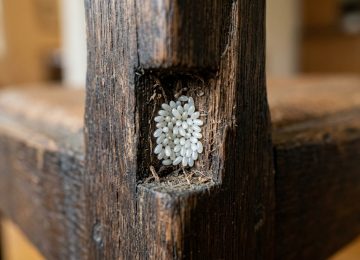
The follow-up schedule exists for a biological reason: bed bug eggs survive the initial treatment and hatch 6-10 days later. The second visit targets those newly hatched nymphs before they mature and reproduce. A third visit confirms no survivors remain. Skipping follow-ups is the most common reason treatments fail.
When will bed bugs be gone completely? You should see dramatic reduction within 48-72 hours of the first treatment, with live bug sightings becoming rare after the second visit. Complete elimination is confirmed only after 4-6 weeks with zero activity.
Factors That Affect How Long Bed Bug Treatment Takes
Several variables determine whether your case resolves in two weeks or two months:
Infestation severity: A few bugs in one bedroom respond faster than multiple rooms with established breeding populations. Severe infestations may have thousands of bugs in various life stages, requiring more thorough application and additional visits.
Home size and layout: Treating a studio apartment takes less time than a four-bedroom house. Multi-story homes, finished basements, and homes with extensive furniture require more labor-intensive preparation and treatment.
Clutter and preparation compliance: Excessive clutter provides countless hiding spots and prevents thorough treatment. Clients who carefully follow preparation checklists—bagging linens, moving furniture away from walls, decluttering—see faster results. Poor preparation can double the treatment timeline.
Adjoining units: Apartment dwellers face reinfection risk from neighboring units. Even after successful treatment, bugs can migrate through wall voids, electrical outlets, and plumbing chases. Coordinated building-wide treatment produces faster, more permanent results.
Cooperation with post-treatment protocols: Sleeping in treated bedrooms (to draw bugs out to treated areas), avoiding pesticide-contaminating cleaning for the specified period, and attending all follow-up appointments are critical. Non-compliance restarts the timeline.
Age of infestation: Catching bed bugs within the first few weeks means fewer eggs and a smaller population. Infestations that have persisted for months develop into multiple generations spread throughout the home, requiring more intensive treatment.
If you’re in northern New Jersey and want a professional inspection, call 1-877-323-3284 for a free phone estimate. Anywhere else, look for a licensed local exterminator with same-day availability.
Treatment Timeline by Infestation Severity
Understanding how severity affects duration helps set realistic expectations. Here’s a breakdown of typical scenarios:
| Infestation Level | Typical Visits Required | Expected Timeline | Characteristics |
|---|---|---|---|
| Light (Early Detection) | 2 visits | 2-3 weeks | Bugs in one room, few visible signs, caught within first month |
| Moderate | 3 visits | 4-6 weeks | Multiple rooms affected, visible bugs and fecal stains, present 2-4 months |
| Severe | 4+ visits | 6-8 weeks | Widespread infestation, heavy fecal staining, eggs visible, present 6+ months |
These timelines assume professional treatment using targeted residual applications and insect growth regulators (IGRs) that disrupt reproduction. Each visit builds on the previous one, addressing newly hatched bugs while residual protection continues working between appointments.
Key takeaway: The biological life cycle of bed bugs—not treatment quality—determines minimum timelines. Eggs take 6-10 days to hatch, and nymphs must be targeted in a second treatment. There is no legitimate one-visit solution for active infestations.
Common Mistakes That Extend the Timeline
Many people unknowingly sabotage their treatment and extend the bed bug treatment timeline by months. Avoid these errors:
- Switching bedrooms or sleeping on the couch: Bugs follow their food source (you). Sleeping elsewhere spreads the infestation to new areas and makes treatment harder. Stay in your bed so bugs encounter treated areas.
- Skipping follow-up appointments: The most critical mistake. Eggs hatch after the initial service, and without a follow-up treatment, those nymphs mature and restart the breeding cycle within weeks.
- Over-cleaning treated areas: Mopping or wiping down baseboards, furniture legs, and bed frames removes residual protection. Wait the recommended period (usually 2-3 weeks) before deep cleaning treated surfaces.
- Attempting DIY treatment alongside professional service: Store-bought sprays can repel bugs away from professionally treated zones, causing them to hide deeper or scatter to untreated rooms. Let the professional protocol work without interference.
- Bringing in second-hand furniture during treatment: Introducing potentially infested items during active treatment resets your timeline to day one. Quarantine all used furniture until your home is confirmed clear.
- Inadequate preparation: Failing to launder bedding, vacuum thoroughly, or move furniture creates barriers that protect bugs from treatment. Preparation isn’t optional—it’s half the battle.
According to the EPA’s bed bug guidance, successful treatment requires a partnership between the pest control professional and the homeowner. Treatment applications are only as effective as the preparation and follow-through surrounding them.
Why DIY Methods Take Longer (or Fail Completely)
DIY bed bug treatment attempts typically take 3 to 6 months with high failure rates. Over-the-counter products lack the residual efficacy and IGR components that professionals use. You’re essentially trying to kill every bug through direct contact, which is nearly impossible when they hide in cracks smaller than a credit card edge.
Homeowners often see initial reduction—killing the visible bugs—but miss the eggs and hidden population. Within two weeks, hatched nymphs repopulate the infestation. This cycle repeats for months, with people spending hundreds on ineffective sprays while the problem worsens.
Professional treatment works faster because licensed applicators use commercial-grade products unavailable to consumers, apply them in targeted patterns based on bug biology, and schedule follow-ups timed to the reproductive cycle. The professional bed bug treatment duration is shorter specifically because the protocol addresses eggs, nymphs, and adults systematically rather than haphazardly.
What to Do Next: Setting Yourself Up for Success
If you’re currently dealing with bed bugs, take these steps to ensure the fastest possible timeline:
Schedule an inspection immediately. Every day you wait, the population grows exponentially. Early detection dramatically shortens treatment duration.
Commit to the full treatment series. Mark follow-up appointments on your calendar and treat them as non-negotiable. Each visit is part of a coordinated strategy targeting different life stages.
Follow preparation instructions exactly. Your exterminator will provide a checklist—laundering linens at high heat, vacuuming, decluttering, moving furniture. Complete every item before the appointment.
Document your progress. Take photos before treatment and after each visit. Track any new bites or bug sightings. This helps you and your exterminator assess progress objectively.
Communicate openly with your exterminator. Report any concerns immediately rather than waiting for the next appointment. If you see bugs after treatment, that’s expected in the first week and important to mention. If you see them three weeks later, that requires immediate follow-up.
For northern New Jersey residents, Promax Bed Bug Experts offers free phone consultations at 1-877-323-3284 to discuss your specific situation and timeline. Our typical treatment protocol achieves elimination in 4-6 weeks with a 2-3 visit series.
Frequently Asked Questions
Can bed bugs be eliminated in one treatment?
No legitimate exterminator can guarantee one-visit elimination. Bed bug eggs are highly resistant to treatment and hatch 6-10 days after the initial service. A second treatment is essential to target those newly hatched nymphs before they mature and reproduce. Single-visit promises typically indicate inexperienced providers or unrealistic expectations.
How long after treatment will I stop seeing bed bugs?
You may see live bugs for 5-7 days after the initial treatment as they emerge from hiding spots and contact treated areas. This is normal and indicates the treatment is working. If you see live bugs 10-14 days after treatment, contact your exterminator immediately, as this may indicate missed harborage areas or the need for additional treatment.
Why does my apartment take longer to treat than a house?
Apartments face reinfection risk from neighboring units through shared walls, plumbing chases, and electrical conduits. Even after successful treatment, bugs can migrate from untreated adjoining apartments. Building-wide coordination significantly improves success rates and shortens timelines, but individual landlord cooperation varies.
Do I need to leave my home during bed bug treatment?
Most professional treatments require you to vacate for 3-4 hours while products are applied and dry. You can return the same day once surfaces are dry. You do not need to stay elsewhere overnight. In fact, sleeping in your treated bedroom helps draw bugs out to contact treated areas.
What happens if I see bed bugs after the final treatment?
Reputable exterminators offer warranty periods (typically 30-90 days) with free re-treatment if bugs reappear. Contact your provider immediately if you see confirmed bed bugs after the treatment series concludes. They’ll inspect to determine whether it’s a treatment failure or a new introduction from outside your home.
How long before I can wash my bedding after treatment?
You can wash and dry bedding immediately after treatment—in fact, laundering at high heat is part of preparation. However, avoid mopping or wiping down treated surfaces (baseboards, bed frames, furniture legs) for 2-3 weeks to preserve residual protection. Your exterminator will provide specific post-treatment cleaning guidelines.
Is a 6-week timeline guaranteed, or could it take longer?
The 4-6 week timeline represents typical cases with moderate infestations and full client cooperation. Severe infestations, poor preparation, clutter, or reinfection from neighbors can extend treatment to 8-10 weeks. Conversely, light infestations caught early sometimes resolve in 2-3 weeks. Your exterminator can provide a more specific estimate after inspecting your property.
Understanding how long it takes to get rid of bed bugs helps you set realistic expectations and stay committed to the full treatment protocol. While the process requires patience and cooperation, professional treatment reliably eliminates infestations in 4-6 weeks when protocols are followed completely. Taking action immediately and partnering with a licensed exterminator is the fastest path to a bed-bug-free home.
Related Reading
Think You Have Bed Bugs? Here’s Your Next Step.
Free phone estimates, same-day treatment across Bergen, Passaic, and Morris Counties. Talk to a licensed technician now.
Call 1-877-323-3284When you choose a local exterminator, look for these three things:
- State pesticide-applicator license (verify on your state’s Department of Environmental Protection site)
- Written treatment plan with follow-up visits included
- Same-day or next-day availability for active infestations