Can bed bugs live in your car? Yes, absolutely. While vehicles aren’t their first choice — bed bugs prefer being near sleeping humans — they can survive in cars for several weeks, hiding in seat crevices, floor mat edges, headliners, and trunk compartments. If you’ve recently transported used furniture, driven home from a hotel, or operate a rideshare service, your car may be at risk. Understanding how these pests hitchhike and where they hide is the first step toward eliminating them safely.
How Do Bed Bugs Get Into Cars?
Bed bugs don’t jump or fly. They crawl, and they’re excellent at finding rides. The most common ways bed bugs enter vehicles include:
- Transporting infested furniture or mattresses: Picking up a used couch, chair, or mattress from a curb or secondhand store can introduce bed bugs directly into your trunk or back seat.
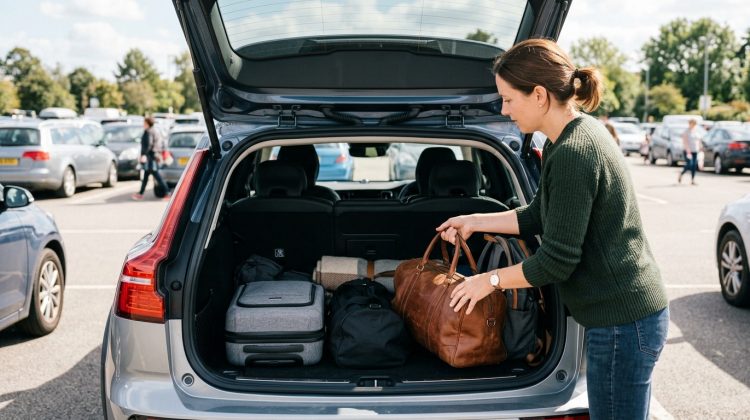
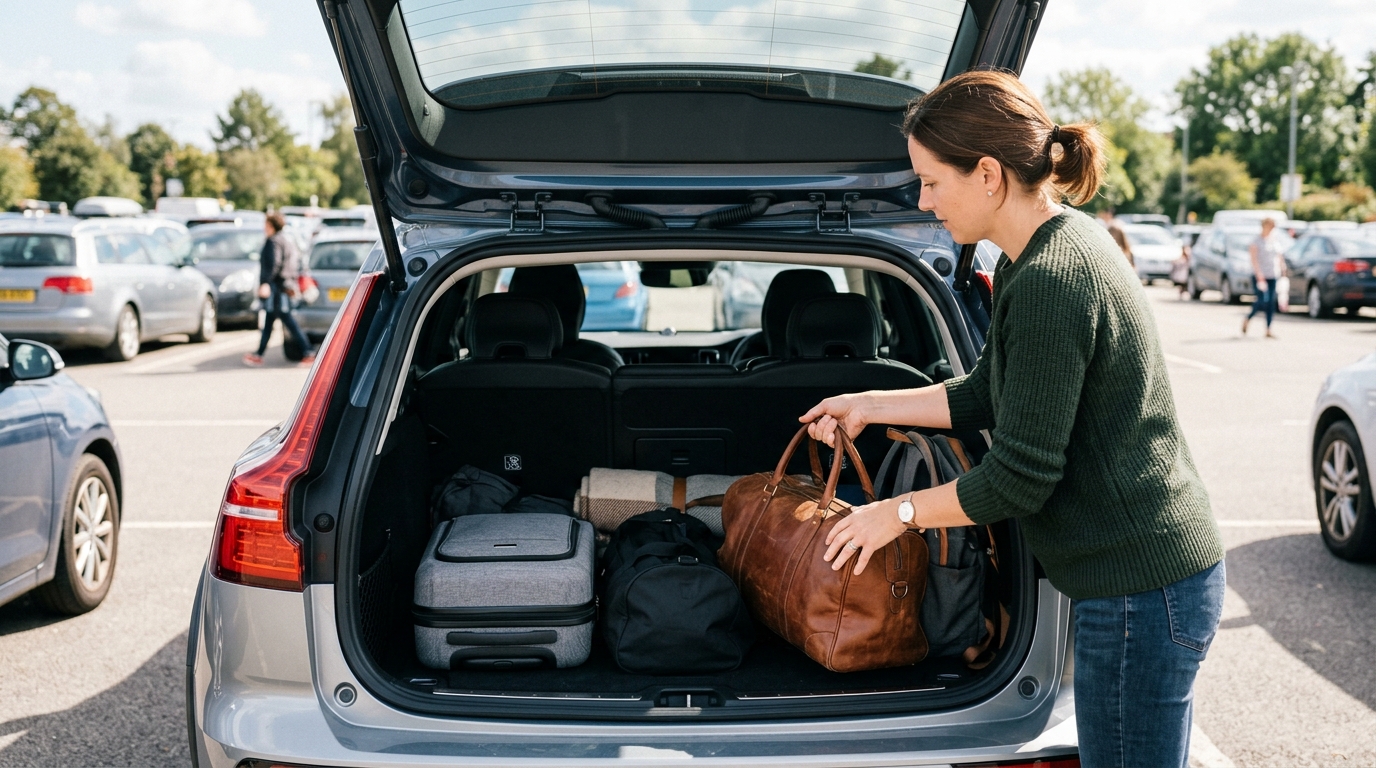
- Returning from travel: Placing luggage that picked up bed bugs at a hotel onto your car seats transfers them immediately. Even a brief hotel stay can result in stowaways.
- Rideshare and taxi services: Drivers who transport passengers with infested belongings may unknowingly harbor bed bugs in seat seams and carpet fibers.
- Workplace or public transit transfer: If you sit on infested furniture at work or on a bus, bed bugs can crawl onto your clothing or bag, then into your car when you drive home.
- Visitors with infestations: Passengers who have bed bugs at home can leave behind hitchhikers in your vehicle.
Bed bugs don’t infest cars the way they infest homes — they prefer stable environments near sleeping hosts. But if introduced, they’ll hide in tight spaces and wait for their next opportunity to feed, surviving weeks without a meal.
Key takeaway: Bed bugs enter cars passively through infested items, luggage, or passengers. They don’t seek out vehicles, but once inside, they’ll hide in crevices and can remain viable for extended periods.
Where Bed Bugs Hide in Cars (And How to Check)
Bed bugs gravitate toward dark, narrow spaces where they feel secure. In vehicles, this means:
| Hiding Spot | How to Inspect | Treatment Focus |
|---|---|---|
| Seat seams and crevices | Run a credit card along fabric seams; look for black fecal spots or shed skins | Vacuum with crevice tool; targeted treatment if confirmed |
| Floor mats and carpet edges | Lift mats fully; check where carpet meets door sills and seat tracks | Remove and discard infested mats; vacuum carpet thoroughly |
| Seat belt buckles and retractors | Extend belts fully; inspect retractor housing and buckle slots | Wipe with isopropyl alcohol; vacuum housing area |
| Headliner and sun visor edges | Check fabric edges where headliner meets windows and visors attach | Vacuum carefully; professional treatment if extensive |
| Trunk carpet and spare tire well | Remove all items; lift trunk liner and check wheel well edges | Vacuum all surfaces; discard contaminated storage items |
Use a flashlight and magnifying glass for inspections. Bed bugs are small — adults are about the size of an apple seed — but their fecal spots (tiny black dots) and molted skins are often easier to spot than the bugs themselves. If you see rust-colored stains on fabric, that’s dried blood from their feeding.
If you’re in northern New Jersey and want a professional inspection, call 1-877-323-3284 for a free phone estimate. Anywhere else, look for a licensed local exterminator with same-day availability.
Can Bed Bugs Live in Luggage?
Yes, bed bugs in luggage are extremely common. Suitcases offer numerous hiding spots: seams, zipper tracks, interior pockets, and the fabric lining itself. When you place luggage on a hotel bed or floor, bed bugs can crawl inside within minutes. Once home, opening that suitcase in your bedroom can introduce an infestation.
To minimize risk:
- Never place luggage on hotel beds or upholstered furniture. Use luggage racks, and inspect the rack frame first.
- When you return home, unpack luggage in a garage, bathroom, or laundry room — not your bedroom.
- Immediately wash all clothing in hot water (at least 120°F) and dry on high heat for 30 minutes.
- Vacuum the empty suitcase thoroughly, paying special attention to seams and pockets, then discard the vacuum bag outside your home.
- Consider storing luggage in large plastic bins with tight-fitting lids between trips.
If you suspect bed bugs in your luggage, do not bring it inside your living spaces. Keep it sealed in a plastic contractor bag until you can inspect and treat it properly. For persistent concerns, some pest control companies offer luggage inspection services before you unpack.
Common Mistakes When Dealing With Bed Bugs in Cars
Many people make the situation worse by trying untested or unsafe methods. Avoid these common errors:
Mistake #1: Relying on extreme outdoor temperatures. Parking your car in summer heat or winter cold sounds appealing, but it’s unreliable. Bed bugs can survive surprisingly long in temperature extremes, and you risk damaging your vehicle’s interior, electronics, and battery. The EPA warns against uncontrolled temperature methods without professional equipment.
Mistake #2: Using foggers or bug bombs. These products don’t penetrate the crevices where bed bugs hide. You’ll waste money, expose yourself to unnecessary residue, and likely miss the infestation entirely. Foggers also don’t reach under seats, inside seat mechanisms, or along carpet edges — exactly where bed bugs live.
Mistake #3: Ignoring the source. Treating your car without addressing your home (or vice versa) just moves the problem. If you have bed bugs in your car, inspect your home immediately. They likely came from somewhere, and that source may still be active.
Mistake #4: Vacuuming without proper disposal. Vacuuming is effective, but if you empty the canister or change the bag inside your home, you risk releasing bed bugs indoors. Always seal and discard vacuum bags or contents in an outdoor trash bin immediately.
Mistake #5: Assuming one cleaning is enough. Bed bugs lay eggs that hatch over weeks. A single vacuuming may remove adults but leave eggs behind. Plan on multiple inspections and cleanings over 2-3 weeks to ensure complete elimination.
How to Get Rid of Bed Bugs in Your Car
If you’ve confirmed bed bugs in your car, follow these steps:
Step 1: Remove and inspect all items. Take out floor mats, seat covers, car seats (if removable), trash, and any stored items. Inspect each one carefully. Discard heavily infested items in sealed plastic bags.
Step 2: Vacuum thoroughly. Use a vacuum with strong suction and a crevice attachment. Focus on seat seams, carpet edges, seat tracks, door pockets, and trunk. Work methodically, section by section. Immediately seal the vacuum bag in plastic and dispose of it outside.
Step 3: Wipe down hard surfaces. Use isopropyl alcohol (70% or higher) on a cloth to wipe dashboard crevices, door handles, console edges, and seat belt buckles. This kills bed bugs on contact but won’t provide residual protection.
Step 4: Launder what you can. Wash removable fabric items (seat covers, floor mats if fabric) in hot water and dry on high heat for at least 30 minutes. This kills all life stages.
Step 5: Consider professional car detailing. A detailer experienced with pest issues can steam-clean and extract from deep within upholstery and carpet. Mention the bed bug concern upfront so they can take proper precautions.
Step 6: Monitor and repeat. Inspect your car weekly for three weeks. If you see new signs (fecal spots, live bugs, shed skins), repeat the vacuuming and cleaning process.
For severe infestations or if DIY efforts fail, contact a licensed pest control professional. Targeted treatment applications in vehicles require careful product selection and precise application to avoid damage and ensure safety. The EPA provides guidance on selecting qualified professionals at https://www.epa.gov/bedbugs/protecting-your-home-bed-bugs.
Preventing Bed Bugs in Your Car
Prevention is far easier than treatment. Adopt these habits to keep your vehicle bed bug-free:
- Inspect luggage before loading: After travel, inspect suitcases outdoors or in a garage before placing them in your car.
- Use plastic bins for transport: If moving furniture or clothing, use sealed plastic containers rather than open boxes or bags.
- Vacuum regularly: Weekly vacuuming of your car interior removes potential hitchhikers before they establish a presence.
- Educate passengers: If you provide rideshare services or frequently have guests, gently remind them to inspect their belongings if they’ve stayed in hotels recently.
- Avoid secondhand upholstered items: Never transport used mattresses, couches, or upholstered chairs without thorough inspection and professional treatment first.
Frequently Asked Questions
Can bed bugs live in your car during winter?
Yes, bed bugs can survive in cars during winter. While they become less active in cold temperatures, they can enter a semi-dormant state and survive for weeks or even months without feeding. Car interiors rarely reach the sustained freezing temperatures needed to kill bed bugs, especially if the vehicle is garaged or driven regularly.
How long can bed bugs live in a car without a host?
Adult bed bugs can survive 2-3 months without feeding under typical conditions. In a car, survival time depends on temperature and humidity, but expect them to remain viable for at least several weeks. This is why a single cleaning isn’t always sufficient — you need follow-up inspections.
Will leaving my car in the sun kill bed bugs?
Possibly, but it’s unreliable and risky. Bed bugs die at sustained temperatures above 120°F, but car interiors heat unevenly. Shaded areas under seats or in trunk wells may not reach lethal temperatures. You also risk damaging upholstery, electronics, and your battery. Don’t rely on this method alone.
Can I use pesticide sprays in my car?
We strongly advise against using over-the-counter sprays in your car. Many products aren’t labeled for vehicle use, can damage interiors, create dangerous fumes in confined spaces, and rarely reach the crevices where bed bugs hide. If you need a targeted treatment application, contact a licensed professional who uses products safe for enclosed environments.
Should I throw away my car seat if it has bed bugs?
Not necessarily. Car seats (especially child safety seats) can often be saved with thorough vacuuming and washing of removable fabric components. Disassemble as much as possible, vacuum all crevices, and launder covers in hot water. If the infestation is severe or the seat cannot be disassembled, replacement may be safer, particularly for infant seats.
Can bed bugs spread from my car to my house?
Yes, easily. If you have bed bugs in your car and you carry items (bags, jackets, kids’ backpacks) between your car and home, you can transfer them. Always inspect and clean items before bringing them indoors, and address both car and home infestations simultaneously to prevent re-infestation.
Do bed bugs prefer cars or homes?
Bed bugs strongly prefer homes, specifically bedrooms where humans sleep for extended periods. Cars are transient environments — they lack the stable, nightly food source bed bugs need to thrive. However, if introduced, bed bugs will hide in cars and wait for opportunities, making vehicles a viable (though suboptimal) temporary habitat.
If you discover bed bugs in your car or luggage, act quickly but methodically. Thorough vacuuming, proper disposal, and consistent monitoring will resolve most vehicle infestations. For homeowners in northern New Jersey dealing with bed bugs in their residence or vehicle, Promax Bed Bug Experts offers fast, discreet inspections and targeted treatment backed by 11 years of experience. Call 1-877-323-3284 today for a free phone estimate and same-day service options.
Related Reading
Think You Have Bed Bugs? Here’s Your Next Step.
Free phone estimates, same-day treatment across Bergen, Passaic, and Morris Counties. Talk to a licensed technician now.
Call 1-877-323-3284When you choose a local exterminator, look for these three things:
- State pesticide-applicator license (verify on your state’s Department of Environmental Protection site)
- Written treatment plan with follow-up visits included
- Same-day or next-day availability for active infestations