Do You Always Have to Throw Out Furniture With Bed Bugs?
No. Most furniture with bed bugs can be successfully treated and saved. The decision to throw out furniture bed bugs have infested depends on three factors: the type of furniture, the severity of the infestation, and the item’s structural condition. Heavily infested mattresses that are already old may be candidates for replacement, but upholstered couches, wood bed frames, and dressers typically respond well to targeted treatment by a licensed professional. The key is understanding what can realistically be salvaged—and the legal and ethical obligations if you do choose disposal.
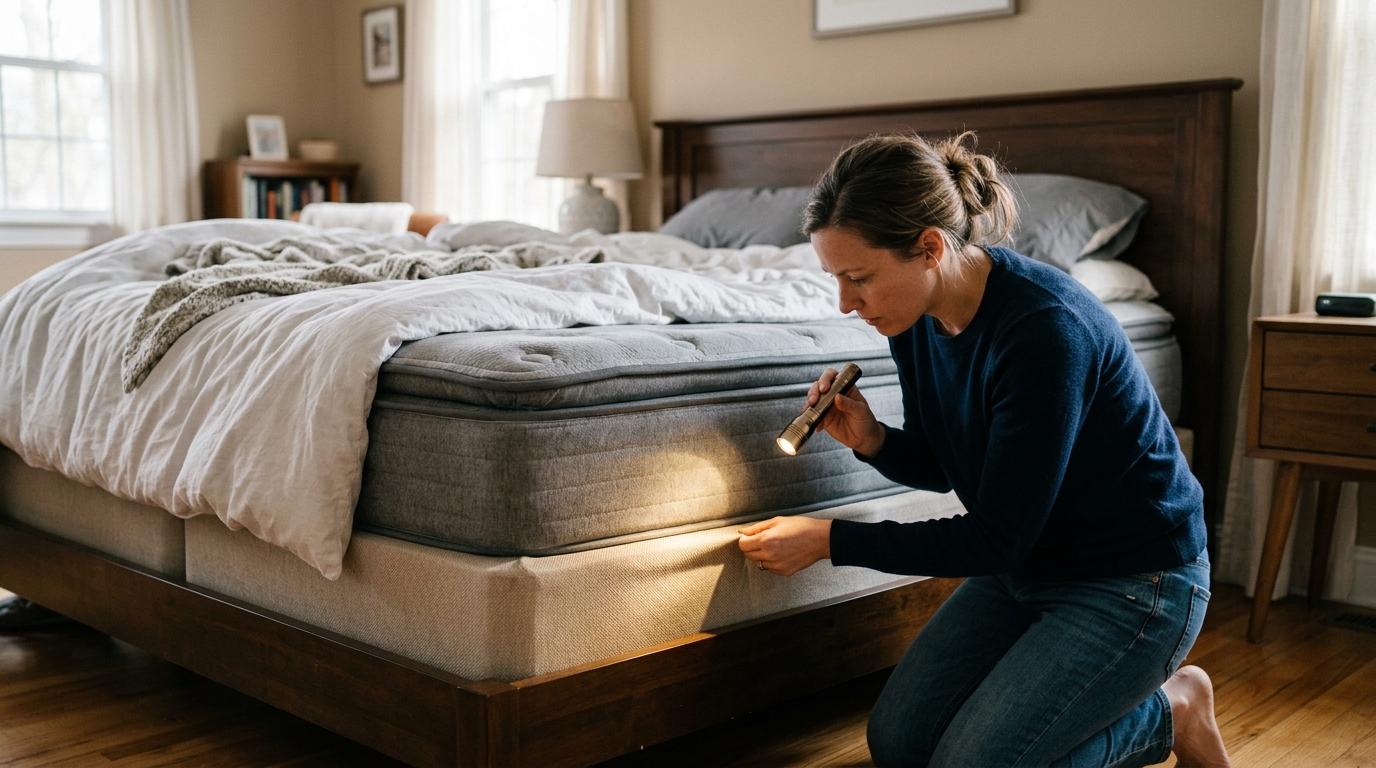
Bed bugs in furniture are a common problem because these pests hide in seams, crevices, and joints during the day, emerging at night to feed. Before making any decision, a thorough inspection is critical.
Furniture Type Breakdown: What Can Be Saved?
Not all furniture is created equal when it comes to bed bug treatment. Here’s what you need to know for the most common pieces:
Mattresses and Box Springs
Mattresses are the most controversial. If your mattress is less than five years old and the infestation is light to moderate, encasement combined with professional treatment can save it. A quality bed bug mattress encasement traps any bugs inside, where they eventually die, and prevents new ones from entering. The encasement must remain in place for at least 18 months. If the mattress is heavily infested—dark staining, strong odor, visible bugs throughout—or already past its prime, replacement may be more practical. Box springs are easier to treat because they have fewer layers, but encasement is still recommended.
Couches and Upholstered Chairs
A bed bug couch is usually treatable. Upholstered furniture has many hiding spots—under cushions, in seams, along the frame—but licensed professionals can apply targeted treatments to these areas effectively. The furniture must be structurally sound; if the frame is broken or fabric is torn extensively, treatment becomes harder and replacement may be warranted. After treatment, avoid using the piece for 4–6 hours, and follow your exterminator’s guidance on when to replace cushions or covers.
Wood Furniture (Dressers, Bed Frames, Nightstands)
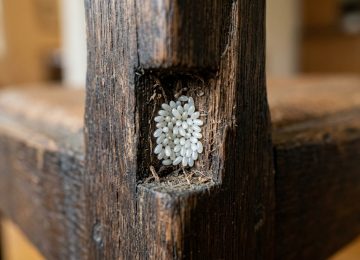
Good news: bed bugs cannot bore into solid wood. They hide in existing cracks, joints, screw holes, and underneath drawers, but the wood itself is not a harbor. This makes wood furniture one of the easiest categories to treat. A professional will treat all joints and crevices with a residual liquid application and may use an IGR (insect growth regulator) to disrupt reproduction. Solid wood bed frames, dressers, and nightstands rarely need to be discarded unless they are so damaged that joints have separated or veneer is peeling extensively.
Metal Frames and Plastic Storage
Metal bed frames and plastic storage bins are the easiest to treat. Bed bugs have very few places to hide on smooth, non-porous surfaces. A thorough inspection, targeted treatment at joints and screw holes, and a wipe-down are usually sufficient. These items almost never need to be thrown out.
Treatment vs. Replacement: A Side-by-Side Comparison
| Furniture Type | Verdict | Treatment Approach | When to Replace |
|---|---|---|---|
| Mattress | Often treatable | Encasement + targeted treatment to frame and surrounding area | Heavy infestation, old age, strong odor, or structural damage |
| Couch / Upholstered Chair | Usually treatable | Targeted treatment to seams, frame, underside; follow-up inspections | Severe structural damage, torn fabric throughout, or customer preference |
| Wood Furniture | Nearly always treatable | Residual application to joints, cracks, and drawer tracks; IGR as needed | Severe structural damage making crevices untreatable |
| Metal / Plastic Items | Always treatable | Inspection, spot treatment, wipe-down | Rarely necessary |
If you’re in northern New Jersey and want a professional inspection to determine what can be saved, call 1-877-323-3284 for a free phone estimate. Anywhere else, look for a licensed local exterminator with same-day availability.
Common Mistakes People Make With Infested Furniture
Panic leads to costly errors. Here are the most frequent mistakes:
- Throwing out everything: Many people discard furniture that could have been saved with proper treatment, resulting in thousands of dollars in unnecessary replacement costs.
- Moving infested furniture to another room: This spreads the infestation. If you must move a piece, wrap it completely in plastic and treat it immediately.
- Setting furniture on the curb discreet: In many municipalities, abandoning bed bug-infested furniture without clear warning is illegal and can result in fines. It’s also unethical—someone may take it home, spreading the problem.
- Donating infested items: Never donate furniture you know or suspect has bed bugs. Charities and thrift stores have strict policies, and knowingly donating infested goods can expose you to legal liability.
- Using DIY sprays without professional follow-up: Over-the-counter products rarely reach all hiding spots. The EPA notes in its do-it-yourself bed bug control guide that while some non-professional steps can help, a coordinated professional approach is usually necessary for full elimination.
- Skipping encasements: If you’re keeping a mattress, an encasement is non-negotiable. Without it, bugs can re-infest or escape during treatment.
The Legal and Ethical Side of Furniture Disposal
If you determine that a piece must go, disposal must be done responsibly. Many towns and waste management districts have specific bed bug mattress disposal ordinances. Requirements typically include:
Labeling: Mark the item clearly with tape, spray paint, or a permanent marker that says “BED BUGS” or “INFESTED.” This warns sanitation workers and prevents someone from taking it home.
Destruction: Slash mattresses and cushions so they cannot be reused. Some municipalities require this before pickup.
Sealed wrapping: Enclose the item in heavy-duty plastic and tape it completely shut. This contains any live bugs during transport.
Scheduled pickup: Do not place infested furniture at the curb days in advance. Arrange pickup or drop-off at a designated facility.
Fines for improper disposal range from $100 to over $1,000 depending on jurisdiction. Beyond legal risk, there’s a moral obligation: spreading bed bugs to another household causes significant financial and emotional harm.
Key takeaway: Most furniture infested with bed bugs can be effectively treated and saved, especially wood and metal pieces. Mattresses and upholstered furniture require case-by-case evaluation, but encasements and professional targeted treatment offer a proven path to keeping what you own. If disposal is necessary, follow local regulations to label, destroy, and contain items—never donate or abandon infested furniture discreet.
What to Do Next
Start with a professional inspection. An experienced exterminator can assess each piece of furniture, identify the extent of the infestation, and give you a clear recommendation: treat or replace. For items you’re keeping, the process typically involves:
- Preparation: Remove clutter, launder bedding and clothing, and move small items away from walls.
- Initial treatment: A licensed technician applies a residual liquid application to all identified harborage areas—seams, joints, cracks, and underside surfaces. An IGR is often applied to interrupt the bed bug life cycle.
- Encasement: Install certified bed bug encasements on all mattresses and box springs you’re keeping.
- Follow-up visits: Bed bugs have a multi-stage life cycle. Follow-up inspections and treatments, typically 10–14 days apart, catch newly hatched nymphs.
- Monitoring: Use interceptor traps under bed legs to monitor for any remaining activity.
The entire process takes 4–8 weeks depending on infestation severity. During this time, you can continue to use treated furniture as long as you follow your exterminator’s instructions on drying times and precautions.
If you’re replacing furniture, wait until after the final follow-up visit to bring new pieces into your home. Introducing a new couch or mattress before the infestation is eliminated just re-infests the new item.
Frequently Asked Questions
Can bed bugs live inside solid wood furniture?
No, bed bugs cannot bore into solid wood or live inside it. They can only hide in existing cracks, joints, screw holes, and seams on the surface or edges. This makes wood furniture one of the easiest types to treat successfully.
Should I throw out my couch if I find bed bugs?
Not necessarily. Most couches can be treated effectively if they are structurally sound. A licensed professional can apply targeted treatments to seams, the frame, and underside. Replacement is only recommended if the couch has extensive structural damage or torn fabric that prevents thorough treatment.
How long do I need to keep a mattress encasement on?
At least 18 months. Bed bugs can survive up to a year without feeding under certain conditions, so leaving the encasement on for a full 18 months ensures any trapped bugs have died. After that, you can remove it, though many people choose to leave it on permanently for continued protection.
Is it illegal to throw out bed bug-infested furniture?
In many municipalities, yes—if you don’t follow proper procedures. Most areas require you to label infested furniture clearly, wrap it in plastic, and often slash or destroy it so no one else can use it. Fines for improper disposal can exceed $1,000. Check your local waste management rules before placing anything at the curb.
Can I donate furniture after treating it for bed bugs?
Only after a licensed professional confirms the infestation is completely eliminated and you’ve completed all follow-up visits. Even then, many thrift stores and charities have strict intake policies. If there is any doubt, do not donate. The risk of spreading bed bugs to another household is too high.
Do bed bugs only infest beds and couches?
No. While beds and upholstered furniture are the most common hiding spots, bed bugs also infest nightstands, dressers, baseboards, picture frames, electrical outlets, and even electronics. A comprehensive inspection of the entire room is essential to identify all harborage areas.
How much does it cost to treat furniture versus replace it?
Professional treatment for a typical bedroom—including bed frame, mattress encasements, and nightstands—generally ranges from $300 to $800 depending on infestation severity and location. Replacing a quality mattress, box spring, and frame can easily cost $1,500 to $3,000 or more. Treatment is almost always more cost-effective, especially for structurally sound furniture.
Deciding whether to treat furniture for bed bugs or throw it out comes down to the type of furniture, infestation severity, and your item’s condition. With professional help, most pieces can be saved. If disposal is the right choice, do it responsibly to protect your community and avoid fines.
Related Reading
Think You Have Bed Bugs? Here’s Your Next Step.
Free phone estimates, same-day treatment across Bergen, Passaic, and Morris Counties. Talk to a licensed technician now.
Call 1-877-323-3284When you choose a local exterminator, look for these three things:
- State pesticide-applicator license (verify on your state’s Department of Environmental Protection site)
- Written treatment plan with follow-up visits included
- Same-day or next-day availability for active infestations