Quick Answer: Key Differences Between Bed Bug Bites, Mosquito Bites, and Flea Bites
When comparing bed bug bites vs mosquito bites, the most reliable differences are pattern and timing. Bed bug bites typically appear in linear clusters or zigzag lines on exposed skin you had while sleeping, often called the “breakfast, lunch, and dinner” pattern. Mosquito bites appear as random, isolated bumps on any exposed skin, usually after outdoor evening activity. Flea bites cluster heavily around ankles and lower legs, often in tight groups of three or four. However, only a medical professional can diagnose your bites—consult your doctor for medical advice.
The timing matters too: bed bug bites appear overnight while you sleep, mosquito bites happen immediately when you’re bitten (usually outdoors at dawn or dusk), and flea bites occur anytime you’re near infested pets or carpets. Understanding these differences helps you identify whether you have a pest problem in your home that needs professional attention.
Detailed Bite Identification: What Each Pest’s Bites Actually Look Like
We’ve inspected thousands of northern New Jersey homes over the past 11 years, and homeowners almost always ask us to confirm what’s biting them. While we can identify pest infestations, we always emphasize that bite identification requires medical expertise. That said, understanding typical bite characteristics can help you determine if you need an inspection.
Bed Bug Bite Characteristics:
- Appear in distinctive linear patterns or small clusters on exposed skin
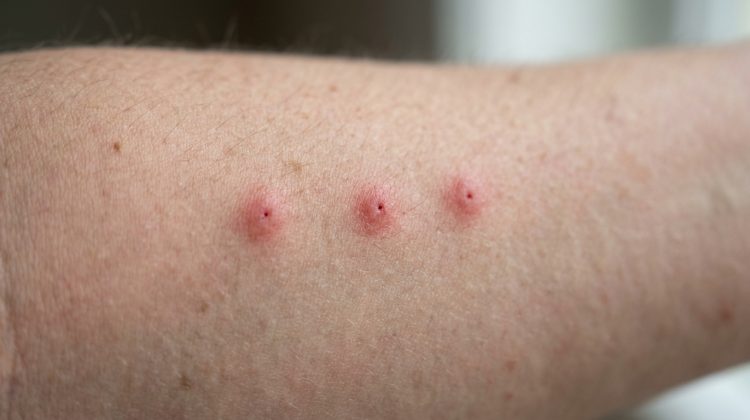
- Often three bites in a row (the “breakfast, lunch, dinner” pattern)
- Flat or slightly raised red welts, typically 2-5mm in diameter
- Usually appear on arms, shoulders, neck, face, and legs—anywhere uncovered while sleeping
- May not itch immediately; itching often develops 1-3 days after being bitten
- Can take several days to fully develop their appearance
- Individual reactions vary widely; some people show no visible bites at all
Mosquito Bite Characteristics:
- Random distribution with no pattern
- Raised, puffy bumps that appear almost immediately
- Usually 3-10mm in diameter, dome-shaped
- Can appear anywhere on exposed skin
- Begin itching within minutes to hours
- Typically fade within 2-4 days
- Often have a small puncture mark visible in the center
Flea Bite Characteristics:
- Heavy concentration around ankles, feet, and lower legs
- Appear in tight clusters or irregular groups
- Small red spots with a red halo, typically 1-3mm
- Extremely itchy immediately or within hours
- Often have a tiny red dot in the center
- Can persist for a week or more
- Most common in homes with pets, especially cats and dogs
The CDC’s bed bug information page confirms that individual reactions to bed bug bites vary significantly, with some people developing no visible reaction while others experience severe welts or allergic responses.
Comprehensive Bite Comparison: Side-by-Side Analysis
For bed bug bite identification in northern New Jersey homes, we find that pattern recognition is your most reliable tool. Here’s a detailed comparison table showing how these three common biting pests differ:
| Characteristic | Bed Bug Bites | Mosquito Bites | Flea Bites |
|---|---|---|---|
| Bite Pattern | Linear rows or small clusters (“breakfast, lunch, dinner”) | Random, scattered, isolated bumps | Concentrated clusters, especially around ankles |
| Typical Location | Arms, shoulders, neck, back—exposed while sleeping | Any exposed skin, arms, legs, face | Ankles, feet, lower legs (below knee) |
| When Bites Occur | Overnight while sleeping (typically 2-5 AM) | Evening/dusk outdoors, immediate awareness | Anytime, often when sitting on infested furniture |
| Appearance | Flat to slightly raised, red welts, 2-5mm | Raised, puffy domes, 3-10mm | Small red spots with halo, 1-3mm |
| Itch Onset | Delayed 1-3 days (sometimes immediate) | Within minutes to hours | Immediate to within hours |
| Duration | 3-7 days (can persist 2 weeks) | 2-4 days typically | 5-7 days or longer |
| Associated Signs | Blood spots on sheets, dark fecal spots on mattress, shed skins | No indoor signs (outdoor pest) | Flea dirt on pets, jumping insects visible on carpets |
| Season | Year-round indoor problem | Warm months, outdoor activity | Year-round, worse in summer |
This table illustrates why flea bites vs bed bug bites often confuse homeowners—both can occur indoors and create clusters. The key differentiator is location: fleas concentrate on lower extremities while bed bugs bite wherever skin is exposed during sleep.
Key takeaway: Pattern and location are your best clues. Linear rows on your upper body after sleeping suggests bed bugs. Random bumps after being outdoors suggests mosquitos. Clusters around your ankles suggests fleas. But remember—consult your doctor for proper medical diagnosis of any skin condition.
Common Mistakes People Make When Identifying Bug Bites
Over our 11 years serving Passaic, Bergen, Essex, and Morris counties, we’ve seen homeowners make several recurring mistakes when trying to identify what’s biting them:
Mistake #1: Assuming all nighttime bites are bed bugs. Mosquitos can enter bedrooms through open windows or doors, and fleas can be in your bedding if pets sleep there. However, if bites consistently appear overnight in linear patterns on multiple family members, that’s a strong indicator to call for an inspection.
Mistake #2: Ruling out bed bugs because you don’t see any. Bed bugs are experts at hiding. They’re typically only 4-7mm long (apple seed size) and hide in mattress seams, box springs, bed frames, baseboards, and furniture crevices. You may never see a live bug but still have an active infestation. Dark fecal spots (like pepper specks) on your mattress or tiny blood smears on sheets are more common signs.
Mistake #3: Confusing allergic reactions or other skin conditions with bug bites. Hives, contact dermatitis, scabies, and even stress-related rashes can resemble bug bites. Scabies creates intense itching with small bumps, often between fingers and on wrists. Hives appear as raised welts that change location rapidly. These require medical diagnosis—consult your doctor if you’re unsure.
Mistake #4: Treating based on guesswork instead of confirming the pest. Flea treatments won’t eliminate bed bugs, and bed bug protocols won’t address mosquito entry points. Proper identification through professional inspection saves time and money. If you’re in northern NJ and think you have bed bugs, call 1-877-323-3284 for a free phone estimate.
Mistake #5: Waiting too long to investigate. Bed bug populations grow exponentially. A single fertilized female can produce 200-500 eggs in her lifetime. What starts as occasional bites can become a severe infestation within months. Early detection makes treatment faster, more effective, and more affordable.
Mistake #6: Relying solely on bite appearance. Even medical professionals struggle to definitively identify bug bites by appearance alone because individual reactions vary so dramatically. The pattern, timing, and associated environmental evidence (fecal spots, shed skins, live bugs) matter more than the bite’s appearance.
What to Do Next: Steps for Each Pest Type
Once you’ve used the bed bug bite pattern and other clues to form a hypothesis about what’s biting you, here’s what we recommend:
If you suspect bed bugs:
- Consult your doctor about the bites for medical advice and treatment of itching or secondary infections
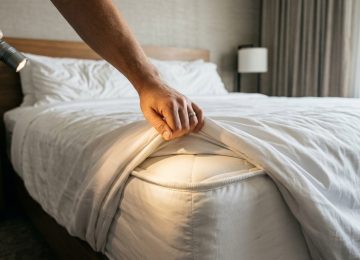
- Inspect your mattress seams, box spring corners, and bed frame joints for dark spots, shed skins, or live bugs
- Check behind headboards, in nightstand drawers, and along baseboards near the bed
- Don’t panic and throw out your mattress—this often spreads bugs to other rooms and doesn’t solve the problem
- Contact a licensed bed bug specialist for a professional inspection—we use visual inspection and monitoring devices to confirm infestations
- Avoid DIY store-bought treatments, which often scatter bugs to new areas and make professional treatment harder
We provide 24/7 emergency response because we know bed bug stress keeps families awake at night. Our inspection process identifies the extent of infestation and the most effective treatment approach using targeted treatments and proven protocols—never guesswork.
If you suspect mosquitos:
- Check for window screen tears or gaps around doors
- Eliminate standing water around your home (gutters, flower pots, yard containers)
- Use window screens and consider mosquito netting if needed
- Apply EPA-registered mosquito repellents when outdoors
- Consult your doctor if bites become infected or you develop fever (rare mosquito-borne diseases can occur)
If you suspect fleas:
- Inspect pets for fleas and “flea dirt” (dark specks that turn red when wet)
- Consult your veterinarian about flea treatment for your pets
- Vacuum thoroughly, especially where pets rest, and immediately dispose of vacuum bags
- Wash pet bedding in hot water
- Consider professional pest control if infestation persists—fleas in carpets and furniture often require professional treatment
For any biting pest situation in your Passaic County home or throughout northern New Jersey, professional identification makes the difference between wasting money on wrong treatments and solving the problem efficiently. Our licensed technicians have seen every pest scenario and can accurately identify the source.
When to Call a Professional Exterminator
Bug bite identification NJ homeowners attempt on their own has limitations. While you can use the guidance above to form an educated guess, confirming you have bed bugs—or ruling them out—requires professional expertise.
Call Promax Bed Bug Experts at 1-877-323-3284 if you experience:
- Regular pattern of new bites appearing after sleeping
- Multiple household members being bitten
- Linear or clustered bite patterns on exposed skin
- Dark spots on your mattress, sheets, or nearby furniture
- Tiny blood smears on pillowcases or sheets
- Small translucent shed skins near your bed
- A sweet, musty odor near your sleeping area (uncommon except in severe infestations)
- Any uncertainty about whether you have bed bugs
Our inspection service identifies active infestations, determines the extent of the problem, and provides a clear treatment plan. We’ve served northern New Jersey for 11 years with targeted treatments that eliminate bed bugs at all life stages without simply masking the problem.
The treatment process we use combines multiple approaches: thorough inspection, preparation guidance for homeowners, residual liquid applications in harborage areas, IGR (insect growth regulator) treatments to prevent reproduction, and follow-up monitoring. This comprehensive protocol, adapted to your specific infestation, provides reliable elimination.
We understand bed bugs create anxiety and embarrassment, but they’re not a reflection of cleanliness—we find them in immaculate homes and luxury hotels. They’re hitchhiking pests that travel on luggage, used furniture, and clothing. Anyone can get them, and professional treatment is the fastest path to elimination.
Frequently Asked Questions
Can you get bed bug bites during the day or only at night?
Bed bugs can bite during the day if you’re sleeping or sitting still for extended periods, but they’re primarily active at night between 2-5 AM when carbon dioxide levels from your breathing attract them. If you work night shifts and sleep during the day, bed bugs will adjust their feeding schedule to match your sleep pattern. The key factor is prolonged stillness—they detect warmth and carbon dioxide to find hosts.
Do bed bug bites always appear in groups of three?
No, the “breakfast, lunch, dinner” pattern is common but not universal. Bed bugs may bite in lines, clusters, or scattered patterns depending on how they moved across your skin and whether they were interrupted while feeding. Some people get a single bite, others get dozens. The linear or small cluster pattern is more reliable than specifically counting three bites. Consult your doctor to evaluate any suspicious bites.
Why do some people in the house get bitten while others don’t?
Individual reactions to bed bug bites vary dramatically. Some people show no visible reaction at all—their immune system doesn’t respond visibly to the proteins in bed bug saliva. Others develop significant welts. This doesn’t mean some people aren’t being bitten; it means their body doesn’t create visible marks. Additionally, bed bugs may prefer certain individuals based on carbon dioxide output, body heat, or other factors we don’t fully understand.
How long after being bitten do bed bug bites appear?
Bed bug bites typically appear within 1-3 days after being bitten, though some people react immediately and others take up to 10 days to show visible marks. This delayed reaction makes tracking down when and where you were exposed difficult. The bites may also develop gradually, starting as small red dots and becoming more pronounced over several days. Mosquito bites, in contrast, usually appear within minutes.
Can bed bug bites spread or multiply after you’re bitten?
No, bed bug bites don’t spread or multiply—each mark represents a separate bite. However, new bites may appear over subsequent nights if you have an active infestation, making it seem like bites are spreading. If marks are expanding, spreading, or creating new patterns on their own, that suggests an allergic reaction, infection, or other skin condition requiring medical evaluation. Contact your doctor for any concerning skin changes.
What does it mean if bites are only on one person in bed?
This is actually common and usually means the other person simply doesn’t react visibly to bites, not that they’re immune. Bed bugs in a mattress will feed on any available host. However, bed bugs may be harboring on one person’s side of the bed—in a nightstand, nearby baseboard, or behind a headboard—making them more likely to encounter that person first. A professional inspection examines both sides of the sleeping area.
Should I go to the doctor for bed bug bites?
Consult your doctor if bites are causing severe itching that interferes with sleep, if you notice signs of infection (increasing redness, warmth, swelling, pus, or fever), if you have a severe allergic reaction (difficulty breathing, widespread hives, dizziness), or if you’re unsure whether the marks are actually bites. Most bed bug bites resolve on their own within a week or two, but medical treatment can provide relief from itching and prevent scratching-related infections. Your doctor can also definitively rule out other skin conditions.
Related Reading
Think You Have Bed Bugs?
Free phone estimates. Same-day service across northern NJ. Talk to a licensed technician now.