What Actually Kills Bed Bugs? The Quick Answer
What kills bed bugs most effectively? Professional-grade targeted liquid treatments combined with insect growth regulators (IGRs), applied by licensed exterminators in a multi-visit protocol. While many DIY methods circulate online, research consistently shows that comprehensive professional bed bug extermination using residual applications, encasements, and monitoring devices achieves the highest elimination rates. Bug bombs, essential oils, and rubbing alcohol alone typically fail because they don’t reach the deep cracks and crevices where bed bugs hide during daylight hours.
The truth is that bed bugs require a coordinated approach addressing eggs, nymphs, and adults across multiple life stages. No single application kills all stages instantly, which is why follow-up visits are essential.
Why Most Popular “Solutions” Fail: Understanding Bed Bug Biology
Before examining what kills bed bugs, it’s crucial to understand why so many popular remedies fall short. Bed bugs are survivor specialists. They hide in cracks as narrow as a credit card, can survive months without feeding, and their eggs are resistant to many treatments that kill adults.
Adult bed bugs measure 4-5mm and actively avoid light, spending 90% of their time hidden in mattress seams, bed frames, baseboards, electrical outlets, and furniture joints. Eggs are cemented to surfaces and protected by a shell that resists many contact treatments. Nymphs (juvenile bed bugs) go through five molts before adulthood, and each stage requires blood meals.
This biology explains why surface-level treatments fail. Bug bombs and foggers, for example, disperse aerosol particles that settle on exposed surfaces but cannot penetrate the tight harborages where bed bugs congregate. The EPA’s own research on do-it-yourself bed bug control confirms that foggers show poor efficacy because bugs simply wait out the treatment in deep cracks, then re-emerge once the aerosol dissipates.
Rubbing alcohol kills bed bugs on direct contact by dissolving their protective outer shell, but it evaporates within seconds and leaves no residual protection. You’d need to spray every single bug directly, an impossible task when most are hidden. Diatomaceous earth works by abrading the insect’s waxy coating, causing dehydration over 7-17 days—but only if bugs walk through a proper application. As a standalone method, it’s too slow and too easily avoided.
Essential oils like lavender, peppermint, and tea tree may repel bed bugs temporarily, but repellents push bugs into wall voids and neighboring rooms rather than eliminating them. The EPA has not approved essential oils as effective bed bug eradication methods.
Key takeaway: Effective bed bug treatment methods must reach hidden harborages, provide residual protection between applications, disrupt the reproductive cycle, and address all life stages through multiple visits. That’s why professional bed bug extermination protocols focus on targeted liquid applications with IGRs, not broad-spectrum foggers or temporary contact sprays.
How Professional Treatment Actually Works: The Multi-Visit Protocol
Licensed exterminators use a systematic approach that addresses bed bug biology at every stage. Here’s what a proven protocol includes:
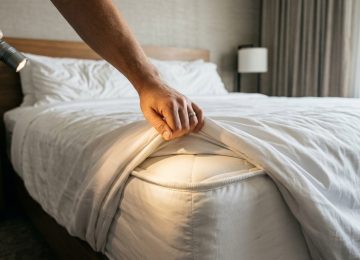
Initial Inspection: Trained technicians identify all harborage sites using visual inspection and monitoring devices. They map infestation zones in mattresses, box springs, bed frames, nightstands, baseboards, outlets, and upholstered furniture.
Preparation Guidance: Clients receive detailed prep instructions—decluttering, laundering bedding and clothing at high temperatures, vacuuming (then immediately disposing of vacuum contents in sealed bags), and pulling furniture away from walls to allow treatment access.
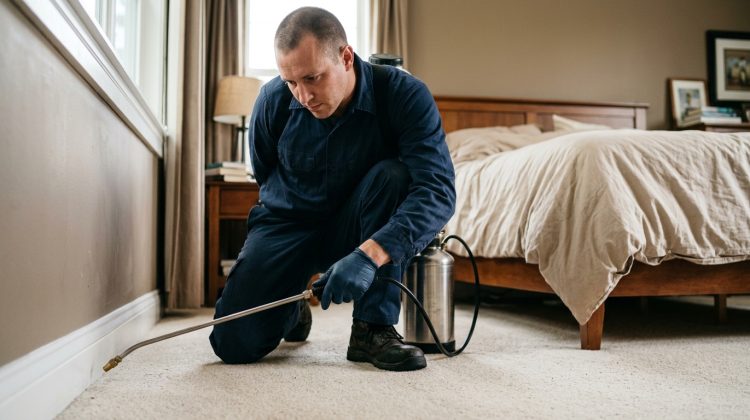
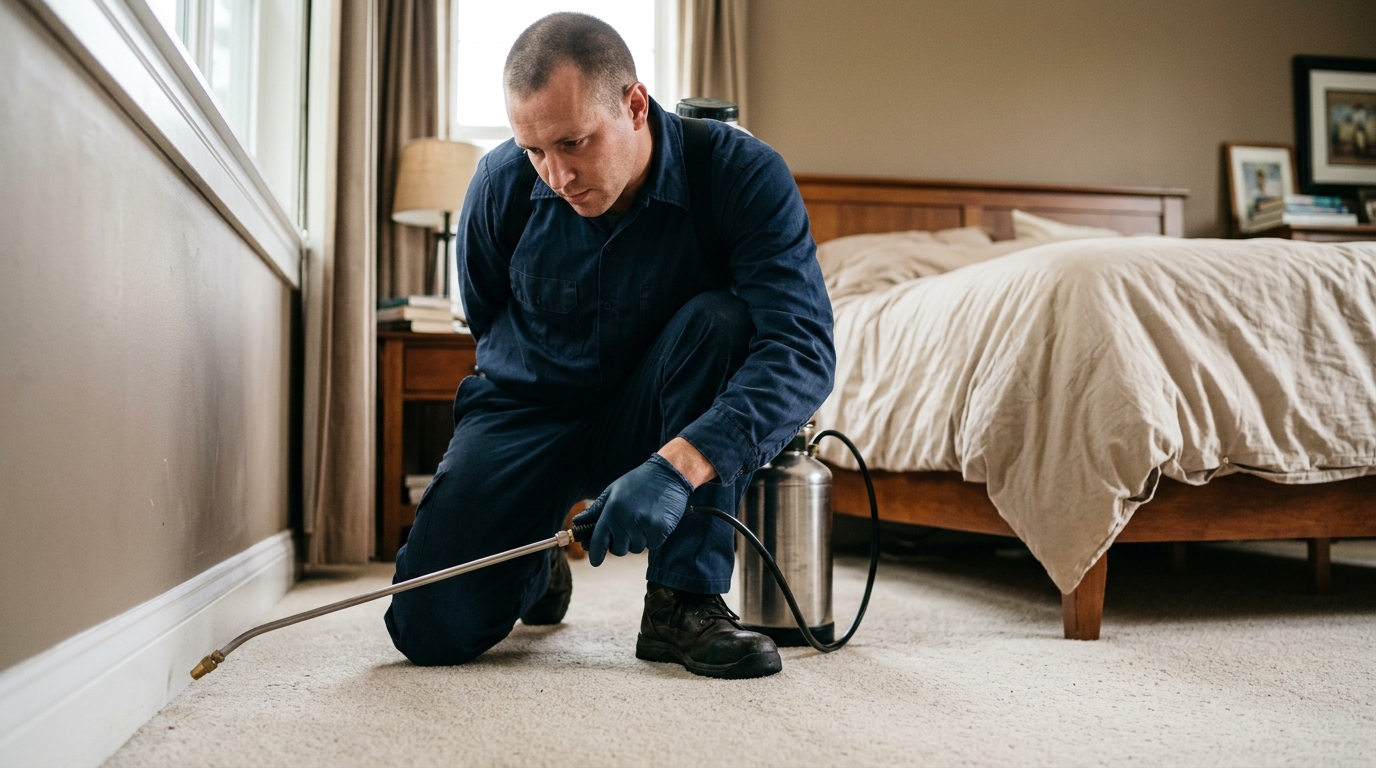
Targeted Liquid Application: Professionals apply EPA-registered residual treatments directly into cracks, crevices, bed frame joints, and along baseboards where bed bugs travel. These treatments continue working for weeks, killing bugs that contact treated surfaces. Application focuses on harborage areas, not broad spraying of entire rooms.
Insect Growth Regulators (IGRs): IGRs disrupt the molting process, preventing nymphs from reaching reproductive maturity. This breaks the breeding cycle and reduces future generations even if some eggs survive the initial treatment.
Encasements: Mattresses and box springs are sealed in certified bed bug-proof encasements. This traps any remaining bugs inside where they eventually starve, while preventing new bugs from establishing harborage in the mattress.
Follow-Up Visits: Typically scheduled 10-14 days after the initial treatment, follow-ups target newly hatched nymphs from eggs that survived the first application. Eggs hatch in 6-10 days, so the timing intercepts the next generation before they reproduce.
Monitoring: Interceptor devices placed under bed legs and monitors near harborage areas detect any ongoing activity and confirm elimination.
If you’re in northern New Jersey and want a professional inspection, call 1-877-323-3284 for a free phone estimate. Anywhere else, look for a licensed local exterminator with same-day availability.
Method Comparison: Effectiveness vs. Drawbacks
Not all bed bug treatment methods deliver equal results. Here’s how common approaches compare:
| Method | Effectiveness Rating | Primary Drawbacks | Best Use Case |
|---|---|---|---|
| Professional Targeted Treatment + IGR | 90-95% with multi-visit protocol | Requires preparation; typically 2-3 visits; professional cost | Comprehensive elimination for active infestations |
| Bug Bombs / Foggers | 10-30% (EPA studies show poor penetration) | Cannot reach cracks/crevices; spreads bugs to new areas; leaves residue on food-contact surfaces | Not recommended—proven ineffective |
| Rubbing Alcohol (70%+) | 100% on direct contact; 0% residual | Evaporates instantly; no lasting protection; misses hidden bugs; fire hazard at required volumes | Spot treatment only for visible bugs (not a solution) |
| Diatomaceous Earth (food-grade) | 40-60% as standalone over 2-4 weeks | Very slow; bugs can avoid treated areas; creates dust; ineffective if it gets wet | Supplement to professional treatment in dry wall voids |
| Mattress Encasements | 95%+ for trapping bugs inside; 100% prevention for new mattress infestations | Must remain sealed 12-18 months; does not address bugs in furniture, baseboards, or walls | Essential component of any treatment plan |
| Laundry (130°F+ for 30 min) | 100% for items that can withstand heat | Only treats washable items; does not address furniture or structural harborages | Preparation step for clothing, bedding, and curtains |
This comparison illustrates why comprehensive professional protocols combine multiple methods rather than relying on any single approach. The targeted liquid treatment reaches deep harborages, the IGR disrupts reproduction, encasements eliminate mattress reservoirs, and monitoring confirms success.
Common Mistakes That Make Infestations Worse
Many well-intentioned attempts to kill bed bugs actually spread the problem or delay effective treatment. Avoid these critical errors:
- Using bug bombs without professional guidance: Foggers push bed bugs deeper into walls and into adjacent rooms. We’ve inspected homes where a one-room infestation became a whole-floor problem after tenants used over-the-counter foggers. The aerosol doesn’t penetrate harborages and often just redistributes the population.
- Throwing away mattresses prematurely: Bed bugs live in bed frames, baseboards, nightstands, and wall voids just as often as mattresses. Discarding the mattress without treating the room ensures bugs will simply reinfest a new mattress within days. Plus, improperly disposed mattresses can spread bugs to others.
- Moving to sleep in another room: If you abandon your bed, bed bugs will follow carbon dioxide and body heat to your new sleeping location, spreading the infestation. Always continue sleeping in your regular bed during treatment.
- Applying excessive amounts of DIY products: Over-application of rubbing alcohol, essential oils, or diatomaceous earth creates health hazards (fumes, slip risks, respiratory irritation) without improving effectiveness. More is not better—precision is.
- Skipping preparation steps: Professional treatments require decluttering, laundering, and furniture access. Skipping these steps leaves harborage areas untreated and drastically reduces success rates.
- Not completing follow-up visits: Eggs that survive the initial treatment will hatch in 6-10 days. Skipping the second visit allows a new generation to establish and reproduce. A complete protocol requires at least two visits, often three for heavy infestations.
- Trying to self-treat for more than one week: If DIY efforts haven’t eliminated visible bugs within 7 days, you’re wasting time while the population grows. Each female lays 1-5 eggs per day. Delaying professional intervention by even two weeks can turn a 20-bug problem into a 200-bug problem.
The most expensive mistake is partial treatment. Bed bugs in wall voids or adjacent rooms will quickly repopulate treated areas, forcing you to start over. Comprehensive, simultaneous treatment of all affected areas is the only reliable path to elimination.
What to Do Next: Your Action Plan
If you’ve confirmed bed bugs or found bites and suspect an infestation, here’s your immediate action plan:
Step 1: Stop the spread. Don’t move items from the infested room to other areas. Bag all dirty laundry in sealed plastic and transport directly to the washing machine. Wash in hot water (130°F minimum) and dry on high heat for at least 30 minutes.
Step 2: Don’t panic-purchase products. Resist the urge to buy every product at the hardware store. Bug bombs and essential oil sprays waste money and time. Instead, invest in certified bed bug mattress encasements (look for products tested to ASTM F1980 standards) to immediately isolate your mattress and box spring.
Step 3: Document the infestation. Take photos of live bugs, shed skins, fecal spots, and bite patterns. This helps the exterminator assess the severity and track progress. If you’re uncertain whether you have bed bugs, capture a specimen in tape or a sealed container for professional identification.
Step 4: Contact a licensed exterminator. Look for companies with specific bed bug experience, not just general pest control. Ask about their treatment protocol—it should include targeted applications, IGRs, multiple visits, and monitoring. Expect a thorough inspection before any treatment. The EPA’s guidance on bed bug control emphasizes the importance of professional intervention for active infestations.
Step 5: Prepare thoroughly. Follow all preparation instructions exactly. This typically includes laundering, decluttering, vacuuming, and moving furniture. Proper preparation can improve treatment effectiveness by 40-50% by exposing harborage areas.
Step 6: Commit to follow-through. Schedule and keep all follow-up appointments. Continue sleeping in your regular bed (bugs need to contact treated surfaces). Monitor for activity using interceptors under bed legs. Most protocols achieve elimination within 4-6 weeks when all steps are followed.
Professional bed bug extermination isn’t just about what kills bed bugs on contact—it’s about preventing reproduction, eliminating all life stages, and confirming eradication through monitoring. That’s why licensed professionals with proven protocols achieve the highest success rates.
Frequently Asked Questions
What kills bed bugs instantly on contact?
Rubbing alcohol (70% or higher) kills bed bugs instantly on direct contact by dissolving their protective outer shell. However, it evaporates within seconds and provides no residual protection, meaning it cannot eliminate hidden bugs or eggs. Concentrated contact sprays also kill on impact but share the same limitations. Instant-kill methods are useful for visible bugs but cannot serve as a complete treatment because 95% of the infestation typically hides in cracks and crevices. Professional protocols use residual treatments that continue working for weeks, not seconds.
Do bed bug foggers or bug bombs actually work?
No. EPA research shows that foggers and bug bombs are largely ineffective against bed bugs because the aerosol particles cannot penetrate the narrow cracks, crevices, and enclosed spaces where bed bugs hide. Foggers may kill a small percentage of exposed bugs but typically push the majority deeper into walls, baseboards, and furniture, often spreading the infestation to adjacent rooms. They also leave pesticide residue on food-contact surfaces and pose fire hazards. Professional exterminators do not use or recommend bug bombs for bed bug treatment.
Can I eliminate bed bugs myself without an exterminator?
Small, very early-stage infestations (a few bugs, caught within days of introduction) can sometimes be managed with aggressive DIY efforts: immediate laundering of all fabrics, certified mattress encasements, thorough vacuuming, and vigilant monitoring. However, the success rate for DIY treatment of established infestations is below 30% according to industry data. Bed bugs reproduce quickly, hide in inaccessible areas, and their eggs resist most DIY treatments. If you still see live bugs after one week of DIY efforts, professional intervention becomes necessary. The cost and stress of prolonged DIY failure typically exceed the cost of professional treatment from the start.
How long does professional bed bug treatment take to work?
Most professional protocols achieve elimination within 4-6 weeks through a multi-visit approach. The initial treatment kills adult bugs and many nymphs, but eggs begin hatching 6-10 days later. The second treatment (scheduled 10-14 days after the first) targets newly hatched nymphs before they reach reproductive maturity. Some infestations require a third visit if activity persists. You should see a dramatic reduction in bites and visible bugs within 3-5 days of the first treatment, with complete elimination confirmed through monitoring over the following weeks. The process requires patience—there is no legitimate same-day complete elimination method.
What’s the difference between professional treatment and store-bought sprays?
Professional treatments use EPA-registered products applied by licensed technicians trained in bed bug biology and harborage behavior. These treatments include residual formulations that continue killing for weeks and IGRs that disrupt reproduction. Professionals know precise application points (bed frame joints, electrical outlets, baseboard seams) that DIY users typically miss. Store-bought sprays are generally contact-kill formulations with little to no residual effect, often in aerosol formats that can’t reach deep crevices. Most importantly, professionals implement comprehensive protocols with follow-up visits, while DIY users typically apply a single treatment and hope for the best. Success rates differ accordingly: 90%+ for professional multi-visit protocols vs. below 30% for DIY-only approaches.
Will washing clothes and bedding kill bed bugs?
Yes, if done correctly. Bed bugs and their eggs die when exposed to temperatures above 120°F for at least 30 minutes. Wash items in hot water (130°F minimum) and dry on high heat for at least 30 minutes. For delicate items that can’t be washed, a 30-minute high-heat dryer cycle alone is usually sufficient. Dry cleaning also kills bed bugs. However, laundering only treats the items washed—it does not address bugs in mattresses, furniture, baseboards, or walls. Laundering is an essential preparation step but must be combined with treatment of structural harborages to eliminate an infestation.
Do bed bugs eventually go away on their own?
No. Bed bugs do not go away without intervention. While they can survive 4-6 months without feeding (and up to a year in cool conditions), they will not voluntarily leave a home with available hosts. Ignoring an infestation allows exponential population growth—a single pregnant female can lead to hundreds of bugs within three months. The infestation will spread to additional rooms and potentially neighboring units in multi-family housing. Without treatment, bed bugs will remain indefinitely, feeding on occupants and reproducing continuously. Early professional intervention is always less expensive and stressful than delayed treatment of a severe infestation.
Understanding what kills bed bugs effectively means recognizing that elimination requires more than a single product or quick fix. The most reliable path combines professional expertise, proven treatment protocols, thorough preparation, and patient follow-through. When you’re ready to move forward with confidence, choose a licensed exterminator who offers comprehensive multi-visit programs with monitoring and guarantees.
Related Reading
Think You Have Bed Bugs? Here’s Your Next Step.
Free phone estimates, same-day treatment across Bergen, Passaic, and Morris Counties. Talk to a licensed technician now.
Call 1-877-323-3284When you choose a local exterminator, look for these three things:
- State pesticide-applicator license (verify on your state’s Department of Environmental Protection site)
- Written treatment plan with follow-up visits included
- Same-day or next-day availability for active infestations