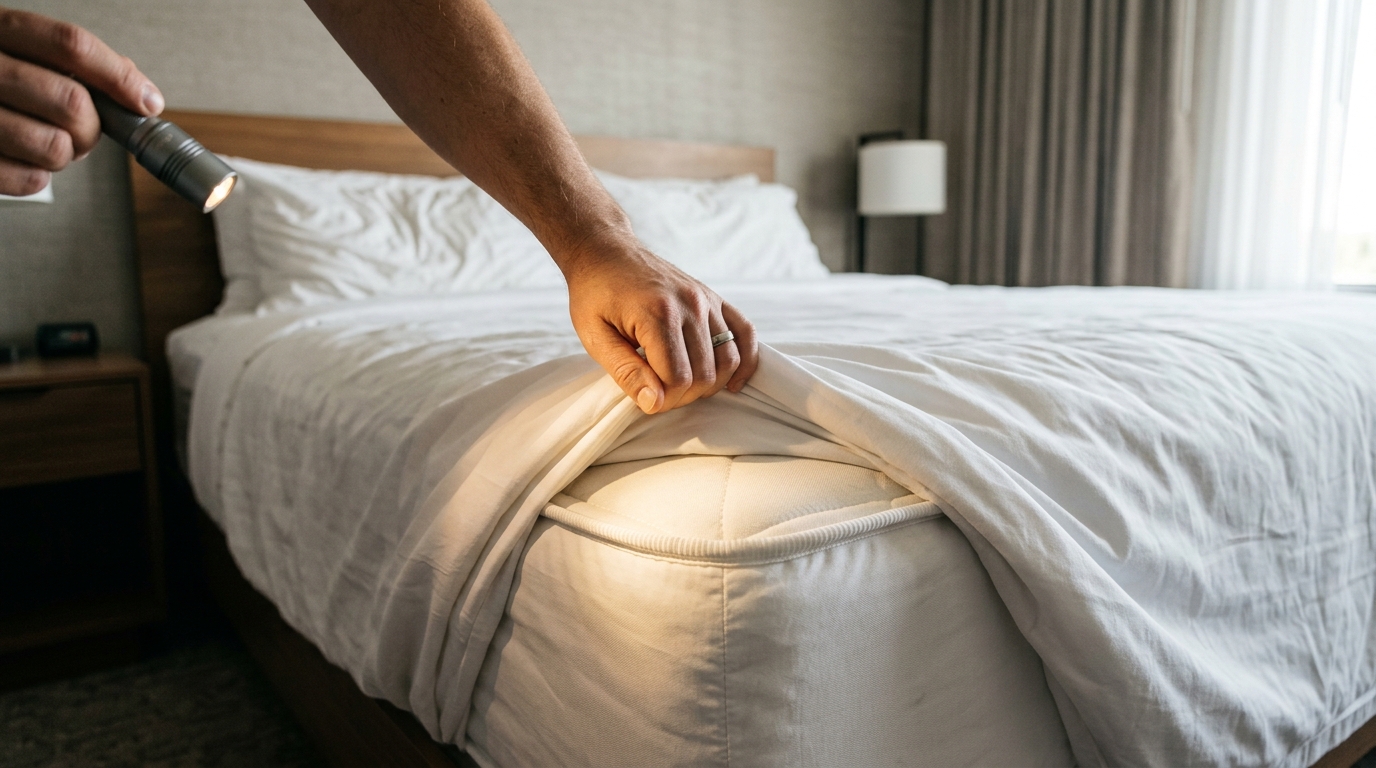
Knowing how to check a hotel room for bed bugs takes less than five minutes and can save you weeks of stress and expense. Bed bugs are expert hitchhikers that spread through luggage and clothing, not poor hygiene, so even luxury hotels can harbor them. This guide walks you through a systematic traveler bed bug inspection you can perform every time you check in.
Quick Answer: The Essential Hotel Bed Bug Check
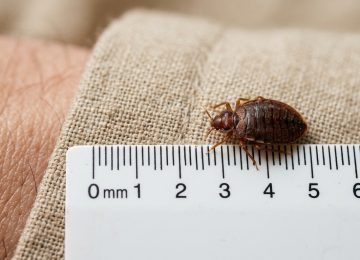
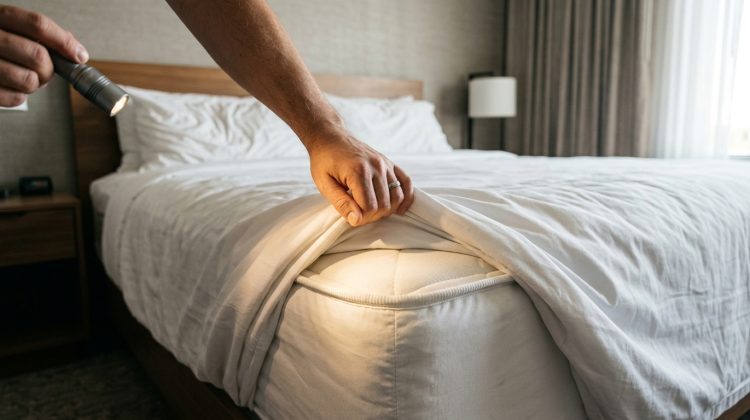
Before you unpack, place your luggage in the bathroom—preferably in the tub or on the tile floor—where bed bugs rarely hide. Use your smartphone flashlight to inspect the mattress seams, box spring corners, headboard crevices, and nightstand joints for live bugs (apple-seed-sized, reddish-brown), black fecal spots, shed skins, or tiny white eggs. If you find any evidence, photograph it, notify the front desk immediately, and request a room in a different wing or building—not just next door. This proactive hotel bed bug prevention routine protects both your trip and your home.
The Six-Step Traveler Bed Bug Inspection Process
Professional inspectors follow a methodical approach, and you can too. Start your hotel bed bug check the moment you enter the room, before your bags touch any upholstered surface.
Step 1: Secure your luggage. Roll your suitcase directly into the bathroom and place it in the bathtub or on the tile floor. Bed bugs cannot climb smooth ceramic or porcelain easily, and bathrooms have fewer hiding spots than carpeted areas. Leave your belongings here until your inspection is complete.
Step 2: Pull back all bedding. Strip the bed completely—remove the comforter, blanket, flat sheet, and fitted sheet. Examine the mattress surface first, then focus on the seams and piping that run along the edges. Use your phone’s flashlight at a low angle; bed bug fecal spots look like tiny black ink dots, often in clusters. Live bugs are about 5–7 mm long, flat, and oval when unfed, but swollen and elongated after feeding.
Step 3: Inspect the box spring. Flip the mattress up if you can, or ask the front desk for help. Check the box spring corners and the fabric underside—tears and folds are common harborage points. Bed bugs prefer tight spaces close to their food source, so seams and staple lines are high-probability zones.
Step 4: Examine the headboard. Most hotel headboards are bolted or screwed to the wall. Look behind and underneath if possible, or at least inspect any visible cracks, screw holes, and the top edge where the headboard meets the wall. Use a credit card or key card to gently probe crevices—bed bugs may be hiding just out of sight.
Step 5: Check the nightstand and furniture. Open drawers fully and examine the joints, corners, and underside. Bed bugs can infest wooden furniture, especially where pieces are joined or where veneer is peeling. Don’t overlook the luggage rack—inspect the fabric straps and joints, though it’s still safer than the carpet or bed.
Step 6: Scan secondary areas. If time permits, check behind wall art, electrical outlet plates, and along the baseboards near the bed. These are less common first-detection sites for travelers, but they matter if you suspect an active infestation based on earlier findings.
If you’re in northern New Jersey and want a professional inspection, call 1-877-323-3284 for a free phone estimate. Anywhere else, look for a licensed local exterminator with same-day availability.
The SLEEP Acronym for Hotel Bed Bug Prevention
Hospitality professionals and frequent travelers use the SLEEP method as a mnemonic for hotel bed bug prevention. Each letter corresponds to a critical action:
- S — Survey the room for signs. Before unpacking, visually scan high-risk areas: mattress seams, headboard, and furniture joints.
- L — Lift and look. Pull back sheets, lift the mattress edge, and inspect piping and tufts with a flashlight.
- E — Elevate your luggage. Keep bags off the floor and bed. Use hard-surface luggage racks or the bathroom floor.
- E — Examine your belongings. Before leaving the hotel and again when you get home, inspect suitcase seams, pockets, and clothing folds.
- P — Place dirty clothes in sealed bags. Use plastic bags or sealable laundry pouches to isolate worn items from clean ones during your trip and in transit home.
The EPA recommends vigilance as the first line of defense, noting that early detection prevents larger infestations. For detailed guidance on protecting your home after travel, see the EPA’s official bed bug protection page.
What Each Risk Indicator Means and What to Do
Not every brown spot or shed skin means an active infestation, but each sign has implications. Use this table to interpret what you find during your hotel bed bug check:
| Risk Indicator | What It Looks Like | Action to Take |
|---|---|---|
| Live bed bugs | Reddish-brown, apple-seed-sized, six legs, oval body | Stop unpacking. Photograph the bug. Request immediate room change to a different building or wing. Report to management. |
| Fecal spots | Tiny black or dark brown dots on fabric, often in clusters or streaks | Indicative of feeding activity. Request room change and inspect new room carefully. |
| Shed skins (casings) | Translucent, hollow exoskeletons about 2–5 mm, often near seams | Sign of nymphs molting. Treat as active infestation. Request new room and notify management. |
| Blood spots | Small red or rust-colored smears on sheets, from crushed fed bugs | Request room change. Inspect luggage before leaving and launder all clothing in hot water upon return. |
| Eggs | Tiny (1 mm), white, pearl-like, often stuck in clusters | Evidence of breeding population. Request new accommodations and consider changing hotels if management is unresponsive. |
Key takeaway: Any confirmed sign of bed bugs—live insects, fecal spotting, or casings—warrants immediate action. Do not simply move to an adjacent room; bed bugs travel through walls and electrical conduits. Request a room at least several floors away or in a separate wing, and inspect it with the same rigor before accepting.
Common Mistakes During a Hotel Bed Bug Inspection
Even diligent travelers make errors that compromise their hotel bed bug prevention efforts. Avoid these pitfalls:
Putting luggage on the bed or carpet first. Bed bugs are most active at night but can transfer onto bags within minutes. The bathroom floor or a hard-surface stand is always safer during your initial check.
Only checking the top sheet. Bed bugs hide in seams, piping, and the underside of the mattress—not on the surface where you sleep. A surface glance misses 90 percent of potential evidence.
Assuming cleanliness equals bed-bug-free. Bed bugs are not a sanitation issue. Five-star hotels, budget motels, and short-term rentals all report infestations because the insects spread through guest turnover, not dirt.
Skipping the headboard. The headboard is one of the most common harborage sites, yet travelers often overlook it. Even a quick look at the top edge and screw holes can reveal telltale fecal spotting.
Not inspecting luggage after checkout. Bed bugs can hitchhike home in suitcase linings and pockets. Before you leave the hotel and again when you arrive home, examine every seam and compartment with a flashlight.
Using only your eyes, no flashlight. Bed bugs are small and cryptic. A bright, focused light—even your phone’s LED—dramatically improves detection, especially in seams and crevices.
What to Do If You Find Bed Bugs in Your Hotel Room
Discovery is stressful, but a calm, systematic response protects you and helps the hotel address the issue properly.
Document the evidence. Take clear, close-up photos of any live bugs, fecal spots, or casings. Note the date, time, and room number. This documentation supports any requests for refunds or compensation and provides the hotel with actionable information.
Notify the front desk immediately. Do not wait until checkout. Explain what you found, show your photos, and request a room change. Be specific: ask for a room in a different wing, on a different floor, or in a separate building—not just next door.
Inspect the new room thoroughly. Use the same six-step process before you unpack. If the second room also shows evidence, consider switching hotels entirely and documenting your reason for leaving.
Isolate your belongings. Even if you’re moving rooms, treat your luggage as potentially exposed. Keep it sealed in plastic bags and off any upholstered surface. If you saw live bugs, consider leaving your suitcase in the bathroom of the new room during your stay.
Escalate if necessary. If the front desk is dismissive or unwilling to relocate you properly, ask to speak with the general manager. In extreme cases, contact your credit card company to dispute the charge or file a complaint with the local health department.
Decontaminate when you return home. Immediately wash and dry all clothing, linens, and fabric items on the highest heat setting safe for the fabric—typically 120°F or above for at least 30 minutes in the dryer. Vacuum your suitcase inside and out, then seal the vacuum bag in plastic and dispose of it outside your home. Wipe hard-sided luggage with a damp cloth and inspect every seam and zipper.
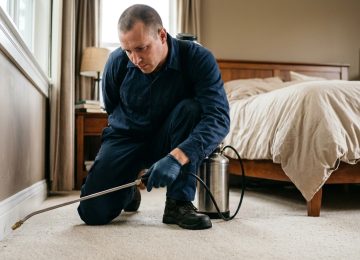
If you discover you’ve brought bed bugs home despite precautions, act quickly. Our proven protocol combines targeted liquid applications and insect growth regulators (IGRs) across multiple visits, focusing on harborage sites and pathways to achieve complete elimination.
What to Do Next: Protecting Yourself Before and After Travel
Traveler bed bug inspection doesn’t end when you leave the hotel. A few pre-trip and post-trip habits make a significant difference.
Before you travel: Pack a small LED flashlight, a few large plastic bags for dirty laundry, and a credit card or flat tool for probing crevices. Familiarize yourself with what bed bugs and their signs look like—images are widely available from university extension services and the EPA.
During your stay: Keep your suitcase elevated and away from the bed. Never place clothing in hotel dresser drawers without inspecting them first. Hang jackets and coats on hooks rather than placing them on upholstered chairs.
After checkout: Inspect your luggage in a well-lit area before you load it into your car. When you arrive home, unpack directly into a washing machine if possible, or onto a hard floor—not carpet. Wash and dry everything on high heat, and vacuum your suitcase thoroughly.
If you live in northern New Jersey and need a professional post-travel inspection or suspect you may have brought bed bugs home, contact us at 1-877-323-3284 for a free phone estimate. We’ve provided targeted treatments and follow-up services for 11 years, and we can schedule same-day or next-day visits. For readers elsewhere, seek a licensed exterminator with experience in residential bed bug control and a transparent follow-up protocol.
Frequently Asked Questions
How long does a hotel bed bug check take?
A thorough traveler bed bug inspection takes about five to ten minutes. Focus on the mattress seams, box spring, headboard, and nightstand joints. Use a flashlight and take your time—rushing increases the chance you’ll miss evidence.
Can I see bed bugs with the naked eye?
Yes. Adult bed bugs are about the size of an apple seed (5–7 mm) and visible without magnification. Nymphs are smaller and lighter in color but still detectable with a flashlight. Eggs are tiny (1 mm) and white, requiring close inspection in seams and cracks.
What if the hotel refuses to move me after I find bed bugs?
Document your findings with photos and timestamps. If the front desk or manager refuses to relocate you to a different wing or offer a refund, leave the hotel and dispute the charge with your credit card company. You can also file a complaint with your state’s health department or consumer protection agency.
Should I inspect my luggage before I leave the hotel?
Absolutely. Before you check out, place your suitcase in a well-lit area (the bathroom works well) and inspect every seam, pocket, and corner with a flashlight. Look for live bugs, casings, or fecal spots. Catching hitchhikers before you load your car is far easier than treating an infestation at home.
Do bed bugs only live in beds?
No. While they prefer to stay close to their food source—typically within a few feet of where people sleep—bed bugs can infest nightstands, headboards, baseboards, electrical outlets, and upholstered furniture. In severe cases, they spread throughout entire rooms.
What should I do with my clothes if I think I stayed in an infested room?
Immediately wash all clothing and fabric items in hot water, then dry on the highest heat setting safe for the material for at least 30 minutes. Heat above 120°F kills bed bugs at all life stages. Seal unwashed items in plastic bags until you can launder them. Vacuum and wipe down your suitcase, then dispose of the vacuum bag outside your home.
Are bed bugs more common in certain types of hotels?
Bed bugs are found in all types of lodging, from budget motels to five-star resorts. Infestations are driven by guest turnover and travel volume, not cleanliness or price point. Any room with high occupancy and frequent luggage movement is at risk, making traveler bed bug inspection important regardless of where you stay.
A disciplined hotel bed bug check at every accommodation protects your home, your belongings, and your peace of mind. With the six-step process and the SLEEP method, you can travel confidently and catch potential problems before they follow you home.
Related Reading
Think You Have Bed Bugs? Here’s Your Next Step.
Free phone estimates, same-day treatment across Bergen, Passaic, and Morris Counties. Talk to a licensed technician now.
Call 1-877-323-3284When you choose a local exterminator, look for these three things:
- State pesticide-applicator license (verify on your state’s Department of Environmental Protection site)
- Written treatment plan with follow-up visits included
- Same-day or next-day availability for active infestations