Do bed bugs come out during the day? Yes, they can—and sometimes do. While bed bugs are strongly nocturnal by preference, they will emerge and feed during daylight hours if they’re hungry, if a host is present, or if the environment mimics nighttime darkness. The idea that you’re safe from bites during the day is a dangerous myth that allows infestations to worsen undetected.
Understanding when bed bugs are active helps you recognize signs of infestation earlier and take appropriate action. Let’s break down their feeding behavior, environmental triggers, and what daytime activity really means for your home.
Quick Answer: Bed Bugs Are Nocturnal But Opportunistic
Bed bugs are primarily nocturnal insects, meaning they prefer to feed between midnight and 5 a.m. when humans are still and carbon dioxide levels around sleeping hosts are highest. However, their behavior is flexible. If a bed bug hasn’t fed in several days—or if the room remains dark during daytime hours—it will absolutely come out to feed regardless of the clock.
According to research from the University of Kentucky Department of Entomology, bed bugs feed every five to ten days under normal conditions, but they can survive months without a meal if necessary. This feeding cycle means a hungry bed bug won’t wait for your preferred sleep schedule. Night-shift workers, people who work from home in darkened rooms, and anyone resting during the day can experience daytime bites.
Key takeaway: Bed bugs follow opportunity and hunger, not a strict schedule. Daytime activity is less common but absolutely possible, especially in heavy infestations or when hosts are available during daylight hours.
Why Bed Bugs Prefer Nighttime (But Aren’t Locked Into It)
Bed bugs have evolved to feed when hosts are least likely to detect and interrupt them. Darkness, stillness, and elevated carbon dioxide from breathing during sleep create ideal conditions. Their preference for night is behavioral, not biological—they don’t have an internal clock that shuts them down at sunrise.
Several factors make nighttime ideal for bed bugs:
- Hosts are stationary for extended periods, allowing uninterrupted feeding (5-10 minutes per meal)
- Reduced light makes detection less likely
- Lower human activity means fewer vibrations and disturbances
- Carbon dioxide concentration increases around sleeping individuals, acting as a feeding trigger
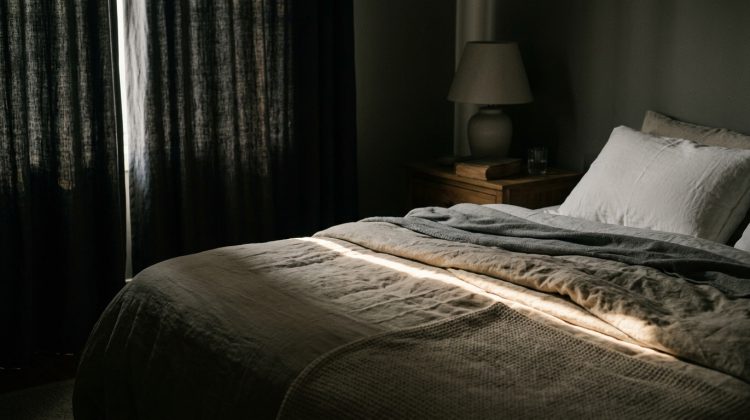
But when those conditions exist during the day—a dark bedroom, a person napping, minimal movement—bed bugs will respond. They detect carbon dioxide, body heat, and targeted signals from skin, not sunlight or time of day.
Are bed bugs nocturnal by strict definition? Not exactly. They’re crepuscular opportunists with a strong nighttime preference. In laboratory studies, hungry bed bugs will feed at any hour if a host is available. In real-world infestations, daytime feeding becomes more common as populations grow and competition for nighttime meals increases.
Environmental Factors That Trigger Daytime Activity
Certain conditions make bed bugs daytime activity far more likely. Understanding these variables helps you assess risk and recognize infestation signs earlier.
| Environmental Factor | Impact on Daytime Activity | Common Scenarios |
|---|---|---|
| Room Darkness | High likelihood | Blackout curtains, basement bedrooms, windowless rooms |
| Starvation (10+ days without feeding) | Very high likelihood | Newly introduced bugs, post-treatment survivors, vacant properties recently reoccupied |
| Heavy Infestation | Moderate to high likelihood | Severe infestations where competition for hosts increases; bugs feed whenever possible |
| Daytime Host Availability | High likelihood | Night-shift workers, remote workers, children napping, illness/bed rest |
| Low Human Activity | Moderate likelihood | Quiet daytime hours, minimal vibrations, stationary hosts |
If you work nights and sleep during the day, your bed bugs will adapt. They follow the carbon dioxide and warmth you emit, not a human work schedule. Similarly, if you’ve recently treated an infestation with a targeted liquid application, surviving bed bugs may emerge at unusual hours, desperate to feed before the residual treatment reaches them.
If you’re in northern New Jersey and want a professional inspection, call 1-877-323-3284 for a free phone estimate. Anywhere else, look for a licensed local exterminator with same-day availability.
Common Mistakes and Misconceptions About Bed Bug Activity
Several myths about when do bed bugs come out lead people to misidentify infestations or delay treatment. Here are the most damaging misconceptions:
Myth 1: If you don’t see bugs during the day, you don’t have an infestation.
Reality: Bed bugs hide in cracks, seams, and voids 95% of the time, regardless of hour. Lack of daytime sightings means nothing. Look for dark fecal spots, shed skins, and bite patterns instead.
Myth 2: Turning on lights will stop bed bugs from feeding.
Reality: A hungry bed bug may pause briefly when exposed to sudden light, but it won’t retreat if it’s already located a host. Light is a deterrent, not a barrier.
Myth 3: Bed bugs only bite at night.
Reality: Bites occur whenever feeding occurs. If you’re bitten during a daytime nap, it’s still a bed bug bite. Time of day doesn’t change the reaction or the pest.
Myth 4: Daytime activity means the infestation is severe.
Reality: While heavy infestations do increase daytime sightings, even a small population will feed during the day if conditions are right. A single sighting at 2 p.m. in a dark bedroom doesn’t automatically indicate a severe problem—but it does confirm you have bed bugs.
Myth 5: Bed bugs won’t come out if you’re awake.
Reality: Bed bugs prefer still hosts but will attempt to feed on people sitting quietly—watching TV, reading, working at a desk. Movement discourages them, but wakefulness alone doesn’t.
What to Do If You Suspect Daytime Bed Bug Activity
If you’ve spotted a bed bug during daylight hours or suspect daytime feeding, take these steps immediately:
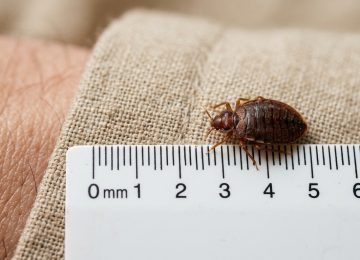
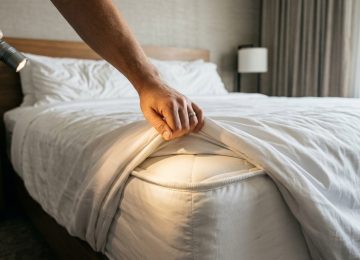
Inspect thoroughly. Check mattress seams, box spring corners, bed frame joints, and nearby furniture. Look for live bugs (reddish-brown, apple seed size), dark fecal stains, and translucent shed skins. Use a flashlight and a credit card to pry into crevices.
Don’t panic or make it worse. Avoid moving infested items to other rooms, which spreads the problem. Don’t spray store-bought products without professional guidance—bed bugs have developed resistance to many over-the-counter formulations, and improper application drives them deeper into hiding.
Document what you find. Take photos of bugs, stains, and bite patterns. Note the time of day, location, and any environmental factors (darkness, who was present, recent activity). This information helps a professional assess the scope.
Contact a licensed professional. Effective bed bug elimination requires targeted liquid applications, insect growth regulators (IGRs), and follow-up visits spaced according to the pest’s lifecycle. A qualified exterminator will inspect all potential harborage sites, apply residual treatments to cracks and voids, and schedule re-treatment to catch newly hatched nymphs. DIY approaches rarely address hidden populations or prevent reinfestation.
Prepare for treatment. Your exterminator will provide a preparation checklist—typically including washing and bagging clothing, clearing floor clutter, and pulling furniture away from walls. Proper preparation ensures the treatment reaches all hiding spots.
Professional treatment with residual liquid applications and IGRs typically requires two to three visits spaced 10-14 days apart to disrupt the reproductive cycle and eliminate all life stages.
Frequently Asked Questions
Are bed bugs strictly nocturnal or can they adapt to any schedule?
Bed bugs are not strictly nocturnal. They strongly prefer nighttime feeding but will adapt to any schedule if a host is regularly available during those hours. Night-shift workers commonly experience daytime bites because their bed bugs adjust to when carbon dioxide and body heat are present.
Can bed bugs sense when it’s daytime versus nighttime?
Bed bugs do not have an internal circadian clock. They respond to environmental cues—darkness, carbon dioxide, heat, and stillness—not actual time of day. A pitch-black room at noon triggers the same feeding behavior as a dark room at midnight.
If I see a bed bug during the day, does that mean the infestation is severe?
Not necessarily. Daytime sightings can occur in light or heavy infestations. A single hungry bed bug in a dark room may emerge during the day regardless of population size. However, frequent daytime activity or sightings in well-lit areas can indicate a larger population and increased competition for hosts.
Will leaving lights on at night prevent bed bugs from biting me?
Leaving lights on may reduce the likelihood of feeding but will not prevent it entirely. Hungry bed bugs will still approach a host in lighted conditions, though they may be more cautious. Prolonged light exposure is a deterrent, not a solution, and does nothing to eliminate the infestation.
How often do bed bugs need to feed?
Under typical conditions, bed bugs feed every five to ten days. Nymphs (juveniles) must feed before each molt, while adults feed regularly to reproduce. However, bed bugs can survive several months without feeding if no host is available, which is why vacating a property does not eliminate an infestation.
Can I get bitten by bed bugs while sitting on my couch during the day?
Yes, especially if you remain still for extended periods and the room is dimly lit. Bed bugs can infest couches, recliners, and other furniture near where people rest. Daytime bites while watching TV or napping on a couch are more common than many people realize.
What should I do if I wake up with bites after a daytime nap?
Inspect your napping area immediately. Check seams, cushions, and nearby cracks for live bugs, fecal spots, or shed skins. If you find evidence, contact a licensed exterminator for a professional inspection. Consult your doctor or dermatologist if you have concerns about the bites themselves, as bite reactions vary and other conditions can mimic bed bug bites.
Understanding that bed bugs come out during the day under the right conditions helps you stay vigilant and respond quickly. Early detection and professional treatment remain the most effective path to elimination. If you’re in northern New Jersey, call Promax Bed Bug Experts at 1-877-323-3284 for a free phone estimate and same-day inspection availability.
Related Reading
Think You Have Bed Bugs? Here’s Your Next Step.
Free phone estimates, same-day treatment across Bergen, Passaic, and Morris Counties. Talk to a licensed technician now.
Call 1-877-323-3284When you choose a local exterminator, look for these three things:
- State pesticide-applicator license (verify on your state’s Department of Environmental Protection site)
- Written treatment plan with follow-up visits included
- Same-day or next-day availability for active infestations