How long can bed bugs live without feeding? Adult bed bugs typically survive 2 to 4 months without a blood meal under normal room conditions (68-77°F). In cooler environments—such as basements, storage units, or vacant homes during winter—they can live up to a year or longer without feeding. This extraordinary survival ability is one reason bed bug infestations are so difficult to eliminate and why simply leaving a home vacant rarely solves the problem.
Understanding bed bug starvation resistance has direct, practical consequences for anyone dealing with an infestation. It explains why you can’t wait them out, why stored furniture can harbor dormant populations, and why professional follow-up visits are essential to full eradication.
The Biology Behind Bed Bug Survival
Bed bugs are highly adapted parasites. When food is scarce, they enter a state of reduced metabolic activity similar to hibernation. Their bodies slow down dramatically, allowing them to conserve energy reserves for months. Research from the University of Kentucky Department of Entomology documents survival periods extending well beyond what most people expect.
Several factors determine exactly how long bed bugs can survive without a host:
- Temperature: Cooler conditions (50-60°F) dramatically extend survival time. Warmth accelerates metabolism and shortens survival.
- Life stage: Adults survive longest. Nymphs (immature bed bugs) have shorter starvation tolerance but can still last weeks to months.
- Prior feeding: A well-fed adult that recently engorged on blood can survive longer than one that hasn’t fed in some time.
- Humidity: Moderate humidity helps bed bugs retain moisture. Extremely dry conditions may reduce survival slightly, but not enough to rely on.
Eggs present a separate challenge. Bed bug eggs do not require feeding—they simply need time to hatch, typically 6 to 10 days under normal conditions. Once hatched, first-stage nymphs must feed within days to survive and progress to the next stage. However, even newly hatched nymphs can survive a week or more without feeding if temperatures are cool.
Survival Time by Life Stage and Temperature
The table below summarizes typical survival periods for different bed bug life stages under varying temperature conditions. These ranges represent findings from university research and field observations:
| Life Stage | Room Temperature (68-77°F) | Cool Conditions (50-60°F) |
|---|---|---|
| Adult bed bugs | 2-4 months | Up to 12+ months |
| 5th instar nymphs (largest) | 1.5-3 months | Up to 6 months |
| Early instar nymphs (1st-3rd stage) | 2-6 weeks | 2-4 months |
| Eggs (unhatched) | 6-10 days to hatch (no feeding needed) | 10-21 days to hatch (no feeding needed) |
Key takeaway: Even the shortest survival window—two months for adults at room temperature—is far longer than most people expect. You cannot simply vacate a bedroom or apartment for a few weeks and expect the infestation to die off. The bed bugs will wait, and when you return, they’ll resume feeding and breeding.
Common Myths and Misconceptions
Misunderstanding bed bug survival leads to costly mistakes. Here are the most common misconceptions we encounter:
Myth 1: Leaving your home vacant for a month will starve bed bugs.
Reality: Adults routinely survive 2-4 months, and in cool basements or winter conditions, they can last a year. Vacancy alone does not eliminate an infestation.
Myth 2: Bed bugs die quickly without a host nearby.
Reality: Bed bugs are ambush predators. They evolved to wait long periods between meals, a trait that helped them survive in caves and bird nests before humans became their primary host.
Myth 3: Sealing furniture in plastic for a few weeks kills all bed bugs.
Reality: While encasement can work, you must leave items sealed for at least 12-18 months at room temperature to ensure all life stages die. Most people underestimate the time required and release surviving bugs when they unseal items too early.
Myth 4: Cold storage quickly kills bed bugs.
Reality: Freezing works, but only at sustained temperatures of 0°F or below for at least four days. A garage or unheated storage unit in winter rarely gets cold enough, long enough, to guarantee mortality. Freezing is unreliable without precise temperature monitoring.
Myth 5: Starving bed bugs become less able to reproduce.
Reality: Starved bed bugs resume normal reproduction once they feed again. A single surviving female can restart an infestation after months of dormancy.
These myths lead people to waste time on ineffective strategies while infestations persist and spread to other rooms or units.
Why Starvation Resistance Matters for Treatment
The ability of bed bugs to survive months without feeding has direct implications for how infestations must be treated:
1. Follow-up visits are essential.
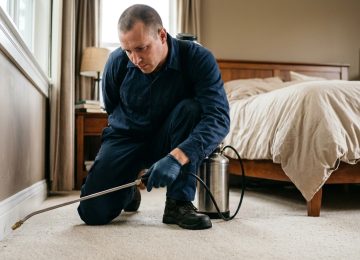
A single treatment—no matter how thorough—cannot eliminate all bed bugs. Eggs that survive the initial application will hatch over the following 10-14 days. Those nymphs must be addressed during a follow-up service. Our proven protocol includes an initial targeted treatment with a residual liquid application and an insect growth regulator (IGR), followed by a scheduled follow-up visit 10-14 days later. This timing intercepts newly hatched nymphs before they mature and reproduce.
2. Residents must remain in the home.
Leaving the home vacant can actually extend treatment timelines. Bed bugs need to encounter the residual treatment. If no host is present, they remain hidden and dormant, avoiding treated surfaces. For the treatment to work efficiently, normal occupancy should continue so that hungry bed bugs emerge and contact treated areas.
3. Storage and moving risks.
Furniture, boxes, or clothing moved into storage can harbor dormant bed bugs for months. When those items are later brought into a new home, the infestation resumes. Before storing or moving items from an infested space, have them inspected and treated.
4. Vacant units in multi-family buildings.
If an apartment goes vacant for several months, bed bugs inside may survive and then migrate to neighboring units once someone moves in. Property managers should treat vacant units before new tenants arrive, especially if prior tenants reported bed bugs.
If you’re in northern New Jersey and want a professional inspection, call 1-877-323-3284 for a free phone estimate. Anywhere else, look for a licensed local exterminator with same-day availability.
What to Do If You Suspect Bed Bugs
Don’t wait for bed bugs to starve out—they won’t. Instead, take these steps immediately:
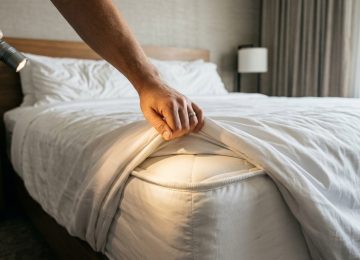
- Inspect carefully: Check mattress seams, box springs, bed frames, and nearby furniture for live bugs, shed skins, or dark fecal spots.
- Document evidence: Take photos of any bugs or signs you find. This helps confirm the issue with a professional.
- Avoid moving items: Do not immediately move furniture or belongings to another room or into storage. This can spread the infestation.
- Contact a licensed professional: Schedule an inspection with an experienced exterminator who uses a comprehensive approach—targeted liquid treatments, IGRs, and scheduled follow-up visits.
- Prepare for treatment: Follow all preparation instructions provided by your exterminator. Proper preparation ensures maximum contact between bed bugs and the treatment.
Delaying action gives bed bugs more time to reproduce. A single female can lay 200-500 eggs over her lifetime, and with their ability to survive months without feeding, a small problem becomes a large infestation quickly.
Frequently Asked Questions
Can bed bugs live in an empty house for a year?
Yes. In cool conditions—such as an unheated home during winter—adult bed bugs can survive 12 months or longer without feeding. Even at normal room temperature, they typically last 2-4 months. Leaving a house vacant does not eliminate an infestation.
How long do bed bugs live after they bite you?
A bed bug’s lifespan is not shortened by biting. After feeding, an adult can live another 2-4 months without another meal, or up to a year in cooler conditions. Feeding actually extends their lifespan and enables reproduction.
Do bed bugs eventually starve if you sleep somewhere else?
No. Bed bugs wait for a host to return. Adults can survive months without a blood meal. Sleeping elsewhere temporarily may reduce bites, but it does not eliminate the infestation. Bed bugs will remain dormant and resume feeding when you return.
How long can bed bug eggs survive without hatching?
Bed bug eggs do not feed—they simply incubate. Under normal conditions, eggs hatch in 6-10 days. In cooler temperatures, hatching may take up to three weeks. Once hatched, nymphs need to feed within a few days but can still survive a week or longer if temperatures are low.
Can bed bugs survive in storage units?
Yes. Storage units—especially climate-controlled or naturally cool ones—provide ideal conditions for bed bugs to enter dormancy and survive many months without feeding. Always inspect and treat infested items before placing them in storage.
What temperature kills bed bugs if they can’t find food?
Sustained exposure to temperatures below 0°F for at least four days will kill all bed bug life stages. However, starvation alone at any normal temperature will not reliably kill them within a practical timeframe. Professional treatment is far more effective than relying on temperature or starvation.
How many follow-up treatments are needed to eliminate bed bugs?
Typically, a comprehensive protocol includes an initial treatment plus at least one follow-up visit 10-14 days later to address newly hatched nymphs. In severe infestations or cases with clutter, a third visit may be necessary. The exact number depends on infestation severity and how thoroughly preparation guidelines are followed.
The resilience of bed bugs—especially their ability to survive months without feeding—makes professional treatment essential. Attempting to starve them out or relying on home remedies wastes valuable time and allows infestations to spread. Contact a licensed exterminator who understands bed bug biology and uses proven, multi-visit protocols to achieve complete elimination.
Related Reading
Think You Have Bed Bugs? Here’s Your Next Step.
Free phone estimates, same-day treatment across Bergen, Passaic, and Morris Counties. Talk to a licensed technician now.
Call 1-877-323-3284When you choose a local exterminator, look for these three things:
- State pesticide-applicator license (verify on your state’s Department of Environmental Protection site)
- Written treatment plan with follow-up visits included
- Same-day or next-day availability for active infestations