Disclaimer: This article is for informational purposes only and does not constitute medical advice. If you suspect you have bed bug bites or any skin reaction, consult your doctor or dermatologist for proper diagnosis and treatment.
What Do Bed Bug Bites Look Like? A Quick Visual Answer
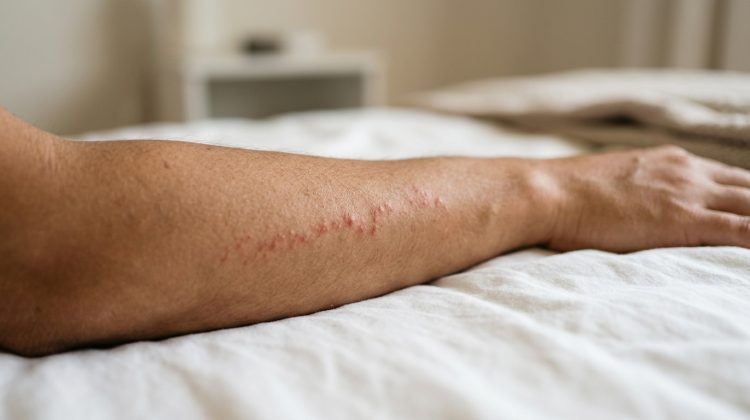
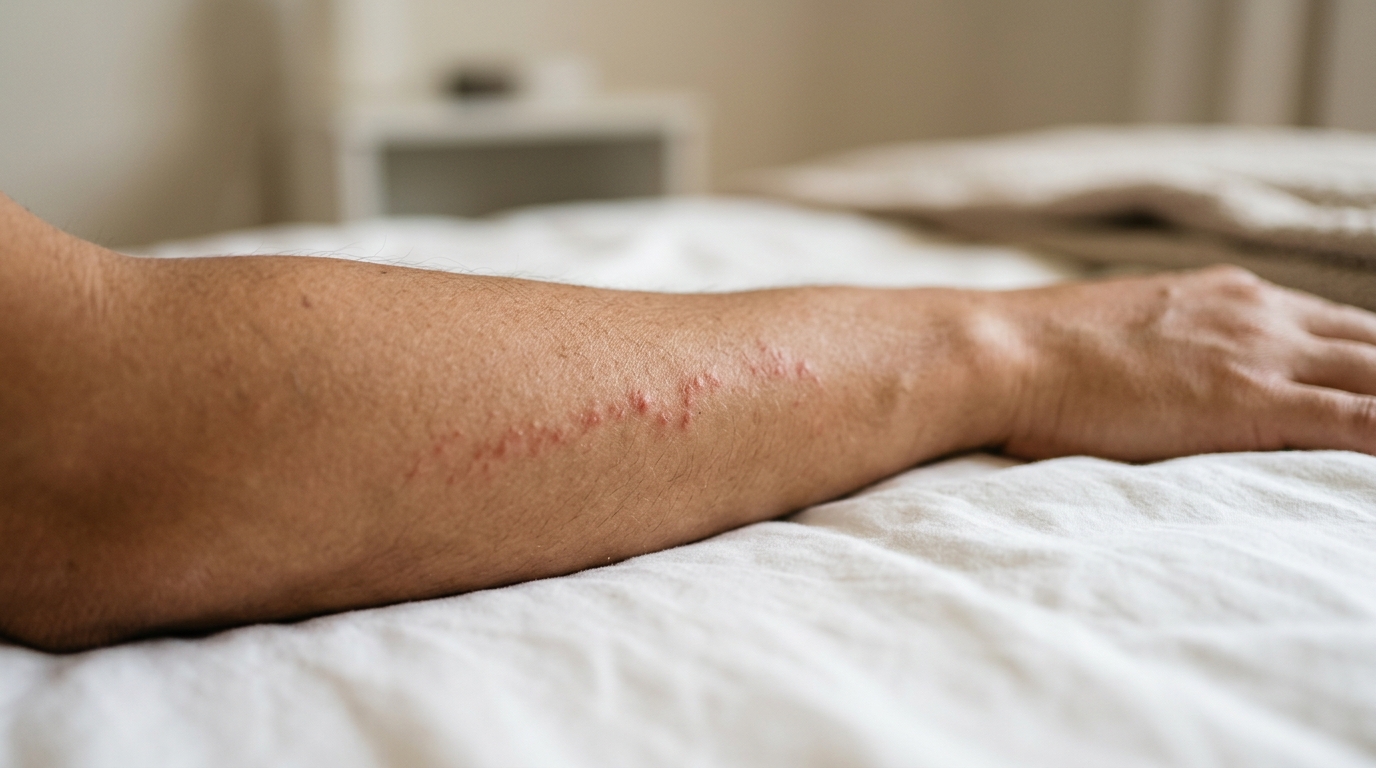
Bed bug bites typically appear as small, raised, red welts on the skin, often accompanied by itching. The bites commonly occur in linear patterns or tight clusters—a characteristic sometimes called “breakfast, lunch, and dinner” bites—because a single bed bug may bite multiple times as it moves across exposed skin. Not everyone reacts visibly to bed bug bites; some people show no marks at all, while others develop pronounced welts or even a widespread bed bug rash. The bites usually appear on areas of skin left uncovered during sleep, such as the face, neck, arms, hands, and legs. According to the Mayo Clinic, symptoms may not appear immediately—sometimes taking several days to develop—which can make bed bug bite identification more challenging.
Detailed Characteristics: How to Identify Bed Bug Bites
Understanding what do bed bug bites look like requires attention to several visual and physical characteristics:
Size and Appearance: Individual bites are typically small, ranging from 2 to 5 millimeters in diameter. They appear as flat or slightly raised red welts, sometimes with a darker red center. The surrounding skin may be inflamed or swollen, especially in people with heightened sensitivity.
Color and Texture: Fresh bites are usually bright red or pink. As they age over several days, they may darken to a deeper red or brownish hue. The welts feel firm to the touch and are often warm due to localized inflammation.
Itching Intensity: Bed bug bites are notoriously itchy. The itching can range from mild irritation to intense discomfort that disrupts sleep and daily activities. Scratching can lead to secondary infection, so resist the urge when possible.
The Classic Bed Bug Bite Pattern: One of the most recognizable features is the linear or zigzag arrangement. Bed bugs often feed in a row as they crawl across the skin, resulting in three or more bites in a straight line or a clustered grouping. This “breakfast, lunch, and dinner” pattern is a strong visual clue during bed bug bite identification.
Location on the Body: Bites typically occur on skin exposed during sleep. The face, neck, shoulders, arms, hands, and legs are most commonly affected. Unlike flea bites, which concentrate around the ankles and lower legs, bed bug bites can appear anywhere the skin is accessible while you rest.
Delayed Reaction: Many people do not develop visible welts immediately. Symptoms may take anywhere from a few hours to several days to appear, complicating early detection. Some individuals never develop visible bites at all, even when bed bugs are actively feeding.
If you’re in northern New Jersey and want a professional inspection, call 1-877-323-3284 for a free phone estimate. Anywhere else, look for a licensed local exterminator with same-day availability.
Comparing Bed Bug Bites to Other Insect Bites
Bed bug bite identification often involves ruling out other common skin reactions. Here’s a detailed comparison table to help you distinguish bed bug bites from similar conditions:
| Bite Type | Appearance | Pattern | Location | Timing |
|---|---|---|---|---|
| Bed Bug Bites | Small red welts, 2–5mm, often with darker center | Linear or clustered (“breakfast, lunch, dinner”) | Face, neck, arms, hands, legs—exposed skin | Delayed; may appear hours to days after bite |
| Mosquito Bites | Raised, puffy bumps with white center, 5–10mm | Random, scattered, isolated | Any exposed skin, often arms and legs | Immediate; appear within minutes |
| Flea Bites | Small red dots with red halo, 1–3mm | Clustered, often grouped in twos or threes | Ankles, lower legs, waistband—areas with tight clothing | Immediate to within hours |
| Hives (Urticaria) | Raised welts, variable size, pale center with red edge | Widespread, may merge into large patches | Anywhere on body; can migrate | Rapid onset; may come and go within hours |
Key Differences to Note:
- Mosquito bites are typically larger, puffier, and appear immediately after being bitten. They are usually isolated rather than in lines.
- Flea bites concentrate around the ankles and lower legs, often where clothing is tight. They are smaller than bed bug bites and appear quickly.
- Hives are an allergic reaction, not insect bites. They can appear anywhere, change shape rapidly, and are often accompanied by other allergy symptoms.
- Spider bites are usually singular, larger, and may have a blister or ulceration in the center—quite different from the small, uniform welts of bed bug bites.
Key takeaway: The linear or clustered bed bug bite pattern on exposed skin, combined with delayed appearance and intense itching, are the strongest visual clues. However, only a medical professional can definitively diagnose the cause of skin welts. If you’re uncertain, consult your doctor or dermatologist.
Common Mistakes and Misconceptions About Bed Bug Bites
Many people make critical errors when trying to identify or respond to suspected bed bug bites. Avoid these common pitfalls:
Mistake #1: Assuming All Bites Are Bed Bugs
Not every red welt is a bed bug bite. Many skin conditions—including eczema, contact dermatitis, scabies, and allergic reactions—can mimic the appearance of insect bites. Never self-diagnose; see a healthcare provider for accurate identification.
Mistake #2: Waiting for Visible Bites Before Inspecting
Up to 30% of people do not react visibly to bed bug bites. If one person in a household shows bites but another does not, it doesn’t mean bed bugs aren’t present. Conduct a thorough inspection of mattress seams, box springs, and furniture regardless of bite symptoms.
Mistake #3: Ignoring the Bed Bug Rash
In some individuals, multiple bites merge into a larger bed bug rash—a red, inflamed area that may blister or weep. This more severe reaction requires medical attention and indicates a potentially significant infestation.
Mistake #4: Relying Solely on Bite Photos for Identification
While bed bug bites photos are helpful for general comparison, human skin reactions vary widely. Two people bitten by the same bed bugs can have entirely different-looking welts. Use photos as a guide, not a definitive diagnostic tool.
Mistake #5: Scratching the Bites
Intense itching is common, but scratching can break the skin and introduce bacteria, leading to secondary infection (impetigo or cellulitis). Keep the area clean, apply over-the-counter anti-itch products as directed, and trim nails to reduce damage from unconscious scratching during sleep.
Mistake #6: Using Home Remedies as a Substitute for Professional Treatment
Bites can be managed symptomatically, but they will continue as long as bed bugs remain in your home. Do not rely on foggers, over-the-counter sprays, or unproven home remedies to eliminate an infestation. Effective control requires targeted treatment by a licensed exterminator.
When to See a Doctor: Seek medical attention if you experience severe swelling, difficulty breathing, fever, spreading redness, pus or drainage from bite sites, or signs of infection. These symptoms may indicate an allergic reaction or secondary bacterial infection requiring prescription treatment.
What to Do Next: From Identification to Action
If you suspect the welts on your skin are bed bug bites, take the following steps:
Step 1: Document the Bites
Take clear, close-up photos of the welts, noting their size, color, and pattern. Record the date and location on your body. This documentation helps both medical professionals and pest control experts assess the situation.
Step 2: Consult a Healthcare Provider
Visit your doctor or dermatologist for proper diagnosis. They can rule out other skin conditions, prescribe medications if needed (such as topical corticosteroids for inflammation or antibiotics for infection), and provide guidance on managing symptoms.
Step 3: Inspect Your Sleeping Area
Examine your mattress, box spring, bed frame, and nearby furniture for signs of bed bugs: live bugs (reddish-brown, oval, 4–5mm long), dark fecal spots, shed skins, or tiny white eggs. Check along seams, in crevices, and behind headboards. Use a flashlight and magnifying glass for better visibility.
Step 4: Avoid Spreading the Infestation
Do not move bedding or furniture to another room; this can spread bed bugs throughout your home. Wash all bedding, pillowcases, and clothing in hot water (at least 120°F) and dry on high heat for 30 minutes. Seal infested items in plastic bags until they can be treated.
Step 5: Contact a Licensed Professional
Bed bug elimination requires expertise and access to professional-grade products. A licensed exterminator will conduct a thorough inspection, identify harborage areas, and implement a targeted treatment protocol using residual liquid applications and insect growth regulators (IGRs) to disrupt the bed bug life cycle. Follow-up visits ensure complete elimination.
Our team at Promax Bed Bug Experts has 11 years of experience delivering effective, reliable bed bug control in northern New Jersey. We use a proven protocol combining targeted liquid treatment and IGR applications, backed by follow-up inspections to ensure long-term results. If you’re facing a bed bug problem in our service area, call 1-877-323-3284 for a free phone estimate and same-day availability. For readers outside New Jersey, seek a licensed local exterminator with a strong track record and transparent treatment methods.
Frequently Asked Questions
What do bed bug bites look like in the early stages?
In the early stages, bed bug bites appear as small, flat or slightly raised red spots on the skin. They may not be itchy immediately and can easily be mistaken for other minor skin irritations. Within hours to days, the bites typically develop into more pronounced red welts with increased itching. Some people show no visible reaction at all in the early stages, making detection difficult.
Can bed bug bites look like a rash?
Yes, in individuals with heightened sensitivity or after numerous bites, bed bug bites can merge into a larger bed bug rash. This rash appears as a red, inflamed area with multiple welts clustered together. It may be warm to the touch and can sometimes blister or weep. If you develop a widespread rash after suspected bed bug exposure, consult your doctor or dermatologist immediately.
How can I tell the difference between bed bug bites and mosquito bites?
Bed bug bites are typically smaller (2–5mm), appear in linear or clustered patterns, and may not show up until hours or days after the bite. Mosquito bites are larger (5–10mm), puffier with a distinct white center, appear immediately, and are usually random and isolated rather than in lines. Mosquito bites also tend to resolve more quickly than bed bug bites.
Do bed bug bites always appear in a line?
Not always, but linear or clustered patterns are very common. The “breakfast, lunch, and dinner” pattern occurs when a bed bug feeds multiple times as it moves across the skin. However, bites can also appear in random clusters or groupings depending on how the bed bug moved and how many bugs fed. Pattern alone is not definitive for identification.
Why do some people not react to bed bug bites?
Individual immune responses vary widely. Some people’s immune systems do not produce the histamine reaction that causes visible welts and itching. Research suggests that up to 30% of people may show little or no visible reaction to bed bug bites, even with repeated exposure. This does not mean they are immune—it simply means their skin does not display the typical symptoms.
How long do bed bug bites last?
Bed bug bites typically last one to two weeks, though duration varies by individual. Itching and redness usually peak within the first few days, then gradually diminish. Scratching can prolong healing and increase the risk of infection. If bites persist beyond two weeks, become more inflamed, or show signs of infection, see a healthcare provider.
Should I see a doctor for bed bug bites?
Yes, if you experience severe itching that disrupts sleep, signs of infection (increasing pain, warmth, pus, red streaks), widespread rash, difficulty breathing, or fever. Even for milder reactions, consulting your doctor or dermatologist is advisable for proper diagnosis, symptom management, and to rule out other conditions. Never attempt to self-diagnose or self-treat significant skin reactions without professional guidance.
Understanding what do bed bug bites look like is an important first step, but professional identification and treatment are essential for complete resolution. Always consult medical and pest control professionals for accurate diagnosis and effective elimination.
Related Reading
Think You Have Bed Bugs? Here’s Your Next Step.
Free phone estimates, same-day treatment across Bergen, Passaic, and Morris Counties. Talk to a licensed technician now.
Call 1-877-323-3284When you choose a local exterminator, look for these three things:
- State pesticide-applicator license (verify on your state’s Department of Environmental Protection site)
- Written treatment plan with follow-up visits included
- Same-day or next-day availability for active infestations