Where do bed bugs hide? These nocturnal parasites tuck themselves into the tiniest cracks and crevices within 8 feet of where you sleep. Adult bed bugs are about the size of an apple seed, and nymphs are even smaller—roughly the width of a credit card edge. They prefer dark, protected spaces where they can digest blood meals undisturbed, then emerge at night to feed. Understanding bed bug hiding places is the first step to confirming an infestation and planning effective treatment.
Most people check the obvious spots—mattress seams and box springs—but bed bugs colonize far beyond the bed itself. We’ll walk you through 15 bed bug hiding spots ranked by likelihood, plus how to inspect each one methodically.
Why Bed Bugs Choose Certain Hiding Spots
Bed bugs are thigmotactic, meaning they seek tight spaces where their bodies touch surfaces on multiple sides. They avoid light and prefer locations close to a host. The EPA’s guidance on finding bed bugs emphasizes looking in seams, folds, and any crack wider than a credit card within 5-8 feet of sleeping areas.
Three factors drive their choice of hiding spots:
- Proximity to the host: Most bed bugs stay within 8 feet of where you sleep, clustering in the bedroom or near couches where people rest.
- Darkness and shelter: They avoid open, lit surfaces and gravitate toward crevices, fabric folds, and wood joints.
- Rough textures: Bed bugs prefer wood and fabric over smooth metal or plastic, which offer fewer grip points and hiding depth.
Knowing these preferences helps you inspect methodically rather than searching at random.
The 15 Most Common Bed Bug Hiding Places (Ranked by Likelihood)
We’ve ranked these bed bug hiding spots from most to least common, based on professional inspection findings. Each entry includes inspection instructions.
1. Mattress Seams and Piping
Likelihood: Highest. Check every seam, tag, and the corded piping along mattress edges. Use a flashlight and credit card to lift seams gently. Look for live bugs, shed skins (tan, translucent exoskeletons), tiny white eggs (1mm), and dark fecal stains that look like pepper flakes or ink dots.
2. Box Spring Fabric and Staple Lines
Likelihood: Very high. Flip the box spring upside down. Inspect the dust cover fabric, especially along staple lines and tears. Bed bugs often cluster inside the wooden frame. If the fabric is torn, peer inside with a flashlight.
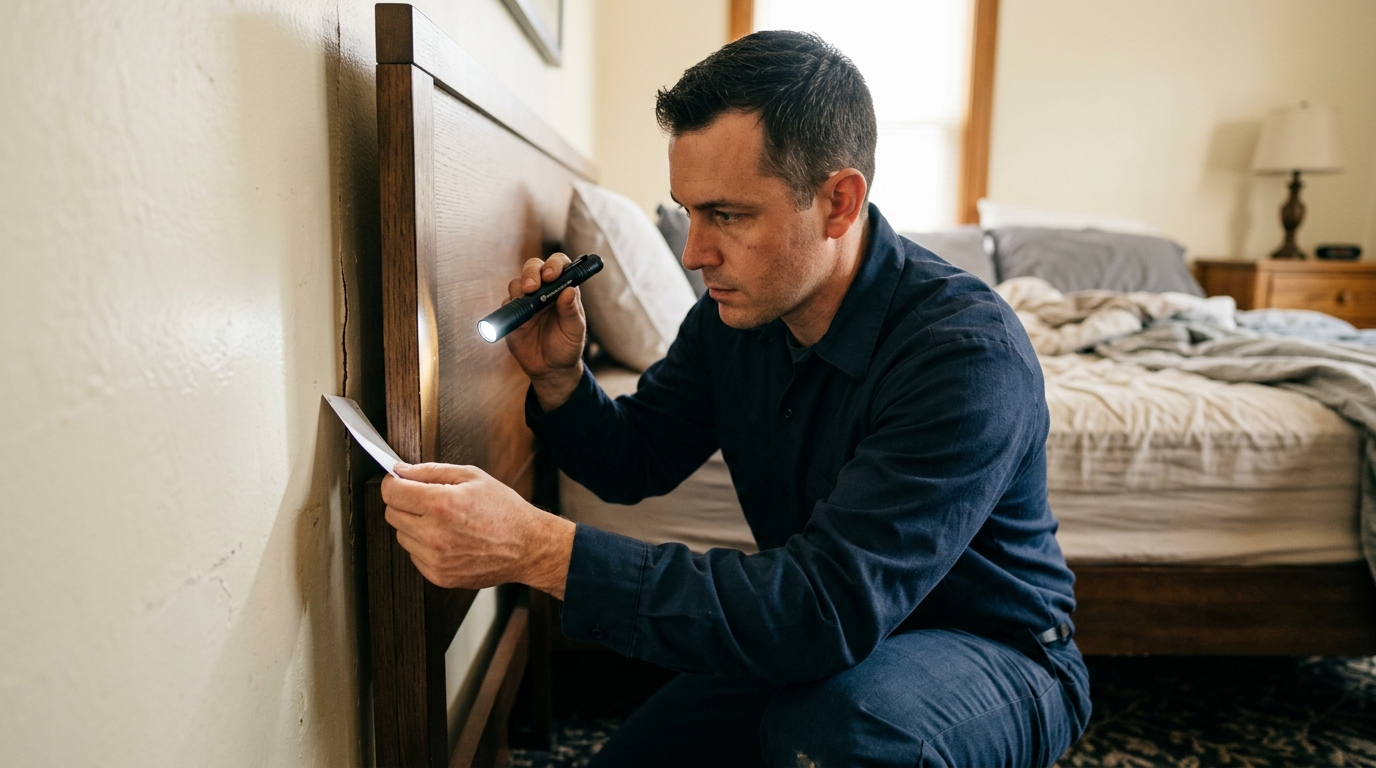
3. Headboard Cracks and Screw Holes
Likelihood: Very high. Remove the headboard from the wall if possible. Check every joint, screw hole, and crack in the wood or upholstery. Bed bugs hide behind decorative trim and inside hollow tubing on metal frames.
4. Nightstand Joints and Drawer Slides
Likelihood: High. Pull out every drawer completely. Inspect the joinery, corner brackets, and the underside of each drawer. Check where the drawer slides attach to the frame. Bed bugs often colonize the back panel and inside screw recesses.
5. Wall Outlets and Switch Plates
Likelihood: Moderate to high. Do bed bugs hide in walls? Yes—particularly in and around electrical outlets near the bed. Look for fecal stains around the plate edges. For severe infestations, an electrician or pest professional can safely remove plates to inspect inside the wall void.
6. Baseboards and Floor Molding
Likelihood: Moderate to high. Check where baseboards meet the wall and floor, especially behind the bed and nightstands. Look for gaps, nail holes, and peeling paint. Bed bugs slip into these cracks and emerge at night.
7. Curtain Rod Brackets and Hem Folds
Likelihood: Moderate. Inspect curtain rod ends, mounting brackets, and the top hem where fabric folds over the rod. Bed bugs hide in the hollow rod itself if accessible. Check the bottom hem and any decorative tiebacks.
8. Picture Frames and Wall Hangings
Likelihood: Moderate. Remove frames from walls near the bed. Check the backing paper, hanging wire, and the gap between frame and wall. Bed bugs often leave fecal stains on the wall behind frames.
9. Alarm Clocks, Lamps, and Electronics
Likelihood: Moderate. Unplug and inspect alarm clocks, phone chargers, and bedside lamps. Look inside battery compartments, screw recesses, and under the base. Bed bugs hide in the seams of charging cables and lamp shades.
10. Upholstered Chairs and Recliners
Likelihood: Moderate. Check every seam, zipper, and the underside of cushions. Flip chairs over and inspect the dust cover fabric and wooden frame. Bed bugs colonize furniture where people sit or nap for extended periods.
11. Luggage Seams and Pockets
Likelihood: Moderate (especially after travel). Inspect every zipper track, seam, pocket, and wheel well. Bed bugs hitchhike in luggage. After trips, vacuum luggage thoroughly and store it away from sleeping areas.
12. Closet Corners and Shoe Interiors
Likelihood: Low to moderate. Do bed bugs hide in clothes? They can, especially in items stored on the floor or piled in corners. Check shoe interiors, closet baseboards, and clothing stored in cardboard boxes. Bed bugs prefer stationary fabrics over frequently worn garments.
13. Carpet Edges Where They Meet Walls
Likelihood: Low to moderate. Pull back carpet edges near the bed. Inspect the tack strip, pad, and gap between carpet and baseboard. Bed bugs sometimes colonize these protected spaces in severe infestations.
14. Dresser Drawer Joints and Backing
Likelihood: Low to moderate. Remove drawers and inspect the joints, interior corners, and the thin backing panel. Check where drawers rest on runners. Bed bugs hide in recessed screw heads and unfinished wood surfaces.
15. Electrical Switch Plates and Ceiling Fixtures
Likelihood: Low (mostly in advanced infestations). In multi-unit buildings, bed bugs sometimes migrate through wall voids and emerge at ceiling light fixtures or upper wall outlets. Look for fecal staining around ceiling-mounted smoke detectors and light covers.
Key takeaway: Bed bugs hide in tight, dark spaces close to where you sleep. Focus your inspection within an 8-foot radius of the bed, checking every seam, crack, and crevice. The more hiding spots you inspect, the more likely you are to confirm an infestation early.
Bed Bug Hiding Spots by Room Area: A Visual Inspection Checklist
Use this room-by-room checklist to ensure you’ve covered every bed bug hiding spot during inspection:
- Bed zone: Mattress seams, piping, tags, handles; box spring fabric, wooden frame, staple lines; bed frame joints, screw holes, hollow tubing; headboard cracks, trim, wall contact points.
- Bedside zone: Nightstand drawers (interior joints, underside, back panel); alarm clocks, lamps, chargers (battery doors, screw recesses, cable seams); outlets and switch plates within 3 feet of bed.
- Wall and floor zone: Baseboards (gaps, nail holes, corners); carpet edges and tack strips; picture frames, mirrors, wall art (backing, wire, wall gap); curtain rods and brackets; wall outlets behind furniture.
- Furniture zone: Upholstered chairs and couches (seams, zippers, dust cover); dresser and armoire (drawer joints, backing panels, screw recesses); closet shelving and corners (baseboard gaps, stored boxes).
- Miscellaneous: Luggage and bags (seams, zippers, wheel wells); piled laundry or shoes on the floor; electrical fixtures and smoke detectors (advanced infestations only).
If you’re in northern New Jersey and want a professional inspection, call 1-877-323-3284 for a free phone estimate. Anywhere else, look for a licensed local exterminator with same-day availability.
How to Inspect Each Hiding Spot: Tools and Techniques
Effective bed bug inspections require patience and the right tools. Gather these items before you begin:
- High-lumen flashlight (at least 100 lumens)
- Credit card or old gift card (to lift seams and pry gently)
- Magnifying glass (optional, for nymphs and eggs)
- Disposable gloves
- Ziplock bags (to collect specimens for identification)
- White paper or cloth (to catch dislodged bugs and fecal matter)
Work methodically from the bed outward. Inspect one item completely before moving to the next. Look for four signs: live bugs (reddish-brown, flat, oval), shed skins (tan, empty shells), eggs (white, pinhead-sized, often in clusters), and fecal stains (dark spots or smears).
When checking fabric, run the credit card edge along every seam slowly. When inspecting wood, shine the flashlight at an angle to highlight cracks and recesses. When examining electronics, tap them gently over white paper to dislodge hiding bugs.
Comparison Table: Bed Bug Hiding Spots by Frequency and Inspection Difficulty
| Hiding Spot | Infestation Frequency | Inspection Difficulty | How to Check |
|---|---|---|---|
| Mattress seams and piping | Very High (90%+) | Easy | Lift seams with credit card, inspect with flashlight at close range |
| Box spring fabric and frame | Very High (85%+) | Moderate | Flip upside down, inspect staple lines, check inside frame if fabric torn |
| Headboard cracks and joints | High (70%+) | Moderate | Remove from wall, inspect every joint, screw hole, and trim piece |
| Nightstand drawer joints | High (60%+) | Moderate | Remove drawers fully, inspect underside, back panel, and slide hardware |
| Wall outlets near bed | Moderate (30-50%) | Difficult | Look for fecal stains around plate; professional removal for internal inspection |
| Baseboards and molding | Moderate (40%+) | Moderate | Check gaps where baseboard meets wall and floor, focus on nail holes |
| Curtain rods and hems | Moderate (30%+) | Easy to Moderate | Remove rod, inspect brackets and hollow interior; check hem folds |
| Picture frames behind bed | Moderate (25%+) | Easy | Remove from wall, inspect backing paper, wire, and wall contact area |
| Upholstered furniture seams | Moderate (40%+) | Moderate | Inspect every seam and zipper; flip over to check dust cover and frame |
| Luggage after travel | Moderate (risk factor) | Easy | Inspect all seams, zippers, pockets, and wheel wells; vacuum before storing |
| Closet corners and shoes | Low to Moderate (15-30%) | Easy | Check piled clothing, shoe interiors, baseboard gaps, stored boxes |
| Carpet edges at walls | Low (10-20%) | Moderate | Pull back carpet edge, inspect tack strip, pad, and baseboard gap |
| Dresser drawer backing | Low to Moderate (20%+) | Moderate | Remove drawers, inspect joints, recessed screws, and thin backing panel |
| Electrical switch plates | Low (5-15%) | Difficult | Look for fecal stains; professional inspection for plate removal |
| Ceiling fixtures | Very Low (advanced only) | Difficult | Check for staining around fixtures and smoke detectors in multi-unit buildings |
Common Mistakes When Searching for Bed Bug Hiding Spots
Many people inspect too quickly or focus only on the mattress. Here are four mistakes that let infestations go undetected:
Mistake 1: Stopping after checking the mattress. The mattress is the most common hiding spot, but bed bugs colonize dozens of other areas. Always inspect the box spring, bed frame, headboard, and nearby furniture, even if you find bugs on the mattress.
Mistake 2: Using insufficient lighting. Bed bugs are small and hide in shadowed crevices. A dim phone flashlight won’t reveal them. Use a dedicated high-lumen flashlight and angle the beam to cast shadows that highlight cracks and seams.
Mistake 3: Assuming bed bugs only live in bedrooms. In moderate to severe infestations, bed bugs spread to living rooms, home offices, and any area where people rest. Check couches, recliners, and office chairs if you’ve confirmed bugs in the bedroom.
Mistake 4: Ignoring early warning signs. Many people dismiss a single bug or a few fecal stains as inconclusive. Bed bugs reproduce quickly—one fertilized female can produce hundreds of offspring. If you find even one live bug, shed skin, or egg cluster, treat it as confirmation and act immediately.
What to Do After Finding Bed Bug Hiding Places
If your inspection reveals live bugs, fecal stains, shed skins, or eggs, you have an active infestation. Here’s what to do next:
Document your findings. Take clear photos of any bugs, stains, or shed skins. Note the locations. This documentation helps professionals assess the infestation scope and track treatment progress.
Contain the infestation. Don’t move infested items to other rooms—you’ll spread the bugs. Bag infested linens in sealed plastic and launder them in hot water (at least 120°F) followed by a high-heat dryer cycle for 30 minutes. Vacuum thoroughly, then immediately dispose of the vacuum bag in a sealed plastic bag outside your home.
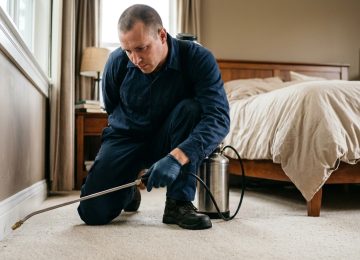
Don’t attempt DIY treatments with over-the-counter sprays. Many consumer products cause bed bugs to scatter, making professional treatment harder. Ineffective treatments also give bugs time to reproduce and spread.
Contact a licensed professional. Effective bed bug elimination requires a targeted treatment protocol using residual liquid applications and insect growth regulators (IGRs) applied to every identified hiding spot. Professionals inspect hidden areas you can’t access safely (wall voids, electrical boxes) and use products unavailable to consumers. Most reputable companies offer free inspections or phone consultations. If you’re in northern New Jersey, call Promax Bed Bug Experts at 1-877-323-3284. We’ve been eliminating bed bugs for 11 years using proven, targeted protocols. Nationwide, look for a licensed exterminator with verifiable experience, positive reviews, and a guarantee that includes follow-up visits.
Prepare for treatment. Your exterminator will provide a preparation checklist, typically including laundering linens, decluttering floors, and moving furniture away from walls. Follow these instructions exactly—proper preparation ensures treatment reaches every hiding spot.
Follow up. Bed bug treatment isn’t one-and-done. Eggs hatch over 1-2 weeks, so a follow-up visit 10-14 days after initial treatment is standard. Some infestations require a third visit. Don’t skip follow-ups—this is when professionals confirm elimination.
Frequently Asked Questions About Where Bed Bugs Hide
Do bed bugs hide in walls?
Yes, bed bugs can hide in wall voids, especially around electrical outlets, switch plates, and cracks in plaster or drywall near sleeping areas. In multi-unit buildings, they migrate between units through shared walls. However, most bed bugs stay closer to hosts in furniture, bedding, and nearby crevices before colonizing walls.
Do bed bugs hide in clothes?
Bed bugs can hide in clothing, particularly items stored on floors, in piles, or in closets near infested beds. They prefer stationary fabrics over clothes you wear daily. If you suspect bed bugs, launder all clothing in hot water (120°F+) and dry on high heat for 30 minutes. Store clean clothes in sealed plastic bins until the infestation is eliminated.
How far from the bed do bed bugs hide?
Most bed bugs stay within 5-8 feet of where you sleep, allowing them to reach a host quickly at night. In severe infestations, they spread farther—up to 20 feet or more—and colonize other rooms. Early detection and treatment prevent this wider spread.
Can bed bugs hide in electronics?
Yes, bed bugs hide in alarm clocks, phone chargers, laptops, and other electronics placed near beds. They seek the tight spaces in battery compartments, screw recesses, and seams. Inspect electronics carefully with a flashlight and consider professional treatment for valuable items you can’t launder or treat yourself.
What do bed bug hiding spots look like?
Active bed bug hiding spots show clustered fecal stains (small dark spots or smears), shed skins (tan, translucent exoskeletons), white eggs (about 1mm, often in crevices), and live bugs (reddish-brown, flat, oval, 4-7mm long). The concentration of these signs indicates heavy use. Not all hiding spots show all signs—sometimes you’ll find only fecal stains or a single shed skin.
How do I inspect a box spring for bed bugs?
Flip the box spring upside down. Use a flashlight to inspect the entire dust cover fabric, focusing on staple lines, tears, and corners. Look for fecal stains, shed skins, and live bugs. If the fabric is torn or loose, peer inside the wooden frame—bed bugs often colonize the interior structure. Run a credit card along seams to dislodge hidden bugs. Check every wooden joint and corner bracket.
Should I throw away my mattress if I find bed bugs?
Not necessarily. Many infestations can be treated successfully without discarding the mattress. Professional treatment targets bed bugs in the mattress and all other hiding spots. If you do discard an infested mattress, slash it and label it clearly (“infested with bed bugs”) so no one else takes it. Throwing away the mattress without treating the rest of the room won’t eliminate the infestation—bed bugs will simply colonize the new mattress.
Understanding where bed bugs hide gives you the knowledge to inspect thoroughly and catch infestations early. Whether you’re confirming an active problem or performing a routine check after travel, a methodical approach to all 15 hiding spots ensures nothing goes unnoticed. For confirmed infestations, professional treatment remains the most reliable path to complete elimination.
Related Reading
Think You Have Bed Bugs? Here’s Your Next Step.
Free phone estimates, same-day treatment across Bergen, Passaic, and Morris Counties. Talk to a licensed technician now.
Call 1-877-323-3284When you choose a local exterminator, look for these three things:
- State pesticide-applicator license (verify on your state’s Department of Environmental Protection site)
- Written treatment plan with follow-up visits included
- Same-day or next-day availability for active infestations