Do Bed Bug Bombs Work? The Short Answer
If you’re asking whether do bed bug bombs work for eliminating a bed bug infestation, the honest answer is no—they typically don’t. Bed bug foggers (also called total-release aerosols) might kill a few exposed bugs, but they fail to reach the hidden places where bed bugs actually live and breed. Worse, foggers can scatter bed bugs into adjacent rooms or neighboring apartments, spreading your problem instead of solving it. After 11 years treating infestations across northern New Jersey, we’ve seen countless homeowners waste time and money on over the counter bed bug spray products that simply don’t deliver lasting results.
According to the EPA’s guidance on bed bug foggers, these products have significant limitations and are generally not recommended as a standalone solution for bed bug control.
Why Bed Bug Foggers Fail: Understanding the Biology
Bed bug bombs release a fog or mist that disperses throughout a room, theoretically killing insects on contact. The problem? Bed bugs don’t hang out in the open. They hide deep in mattress seams, box spring crevices, behind baseboards, inside electrical outlets, under carpet edges, and in furniture joints—exactly where fog particles cannot penetrate.
The typical bed bug fogger effectiveness is extremely low because:
- Fog particles settle on surfaces but don’t reach deep crevices where bed bugs hide during daylight hours
- Bed bugs can detect disturbances and retreat even deeper into protected spaces
- Most foggers contain pyrethroids, a class of active ingredient to which many New Jersey bed bug populations have developed significant resistance
- The dispersal method provides no residual protection in the specific harborage areas where bed bugs actually live
- Foggers don’t address eggs, which are cemented in hidden cracks and protected by a shell that resists many treatments
We routinely receive calls from homeowners who tried a bed bug bomb NJ product from a hardware store, only to see bugs reappear within days. The infestation didn’t disappear—it just moved to areas the fog never reached.
Bed Bug Bombs vs. Professional Treatment: The Real Difference
Understanding the difference between foggers and professional targeted treatment explains why one fails and the other succeeds:
| Method | Coverage | Effectiveness | Risks |
|---|---|---|---|
| Bed Bug Fogger/Bomb | Open air spaces only; cannot penetrate crevices, seams, or voids | 5-25% of population (exposed bugs only) | Scatters bugs to new areas; fire hazard if misused; respiratory irritation |
| Professional Targeted Treatment | Direct application into seams, cracks, harborage areas, void spaces | 95-100% with proper protocol and follow-up | Minimal when applied by licensed professionals following label directions |
| Professional Heat Treatment | Penetrates all materials and voids when room reaches 120-135°F | 95-100% in treated areas (including eggs) | Requires proper equipment and monitoring; items sensitive to heat must be removed |
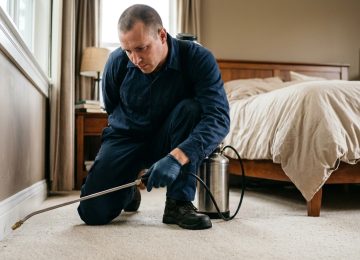
Professional treatments work because we apply residual liquid applications and IGR (insect growth regulator) products directly where bed bugs hide. We treat mattress seams with precision tools, inject baseboard voids, apply dust formulations into wall voids and outlets, and create treatment barriers that bed bugs must cross. This isn’t possible with a fogger that simply fills a room with mist.
Common Mistakes That Make Bed Bug Bombs Dangerous
Key takeaway: Bed bug foggers don’t just fail—they can actively make your situation worse and create safety hazards when misused.
Here are the most common mistakes we see with DIY bed bug bomb attempts:
Using multiple foggers in one space. Homeowners often think more is better, setting off three or four bombs in a single room. This creates a serious fire hazard. The propellants in foggers are highly flammable, and excess product creates an explosive atmosphere. Pilot lights, electronic ignitions, and even static electricity can ignite the fog, causing fires or explosions.
Failing to leave the premises. Foggers release concentrated product into enclosed spaces. Remaining in a fogged home can cause respiratory irritation, headaches, nausea, and other health effects. All people and pets must vacate for the duration specified on the label—typically 2-4 hours minimum.
Not sealing off apartments or multi-family units. This is especially problematic for bed bug bomb NJ use in apartment buildings. The fog—and the fleeing bed bugs—can travel through small gaps around doors, through shared walls, and via ventilation systems. You may temporarily push bugs out of your unit and into a neighbor’s space, only to have them return later. This is why many landlords and property managers prohibit tenant use of foggers.
Assuming one treatment is enough. Even if a fogger killed some bugs (which is unlikely), it won’t eliminate eggs. Bed bug eggs hatch in 6-10 days, so you’d need perfectly timed repeat applications—and foggers still won’t reach where the eggs are glued.
Not preparing the space properly. Ironically, proper fogger use requires you to pull furniture away from walls and open drawers—exposing bed bugs to the fog. But if you’ve gone to that trouble, a targeted treatment applied directly to those areas would be far more effective.
What Actually Works: Professional Treatment Options for NJ Homeowners
After explaining why bed bug bombs fail, the natural question is: what should you do instead? Here’s what we recommend:
Professional inspection first. Before any treatment, you need to confirm you have bed bugs (not fleas, carpet beetles, or other pests) and identify the extent of the infestation. We offer free phone consultations at 1-877-323-3284 and can schedule an inspection to map out exactly where bugs are harboring.
Targeted residual liquid applications. Licensed professionals apply EPA-registered products directly into the cracks, crevices, and seams where bed bugs hide. These treatments provide weeks of residual protection, killing bugs that emerge from hiding and any nymphs that hatch from eggs.
Insect growth regulators (IGRs). These disrupt the bed bug life cycle, preventing nymphs from maturing into reproducing adults. IGRs are particularly valuable because they work on bed bugs that have developed resistance to other active ingredients.
Heat treatment for severe infestations. Professional heat treatment raises the temperature of infested rooms to 120-135°F, a range that kills all bed bug life stages including eggs. This method physically destroys bugs through temperature rather than relying on active ingredients they might resist.
Mattress encasements and monitoring. High-quality encasements trap any remaining bugs inside mattresses and box springs, where they eventually die. Interceptor traps placed under bed legs catch bugs attempting to reach you at night and provide ongoing monitoring.
Follow-up treatments. Professional protocols typically include a follow-up visit 10-14 days after initial treatment to address any newly hatched nymphs. This two-visit minimum is standard for effective bed bug elimination.
If you’re in northern NJ and think you have bed bugs, call 1-877-323-3284 for a free phone estimate. We serve Passaic, Bergen, Essex, and Morris counties with 24/7 emergency response.
Why Bed Bug Bombs Fail in New Jersey Specifically
New Jersey has some of the highest bed bug activity rates in the country, particularly in densely populated areas of Passaic, Bergen, and Essex counties. Our bed bug populations have been exposed to pyrethroid-based products for years, and resistance is widespread.
Most over the counter bed bug spray products and foggers contain pyrethroids as their primary active ingredient. When you use a bed bug bomb on a resistant population, you might kill 5-10% of the bugs (the most sensitive individuals), while the remaining 90-95% survive and continue reproducing. You’ve now selected for the most resistant bugs—making future treatment even harder.
Additionally, New Jersey’s housing stock includes many multi-family buildings, apartment complexes, and attached townhomes. Bed bug bombs in these settings can push bugs through shared walls, creating building-wide infestations that require coordinated treatment of multiple units.
What to Do If You’ve Already Used a Fogger
If you’ve already tried a bed bug bomb and the infestation persists (which is highly likely), don’t panic. The situation is still treatable, though you may have made it slightly more challenging by scattering bugs to new locations.
Here’s what to do next:
- Stop using any additional over the counter bed bug spray products or foggers—you’re wasting money and potentially spreading bugs further
- Document where you’re seeing bugs now versus where you saw them before fogging; this helps professionals understand the spread
- Don’t move infested items to other rooms or a storage unit; this just spreads the problem
- Wash and dry bedding, clothing, and fabrics on high heat (130°F for 30+ minutes) to kill any bugs on these items
- Vacuum thoroughly and dispose of the vacuum bag in a sealed plastic bag outside your home
- Contact a licensed pest control professional for an inspection and treatment plan
The good news is that professional treatment can still achieve complete elimination even after a failed fogger attempt. It just requires a thorough inspection to locate all the areas where bugs have now dispersed.
The Bottom Line: Skip the Bombs, Call a Professional
Do bed bug bombs work? No. They offer false hope, waste your money (typically $30-60 for products that don’t work), delay effective treatment (allowing the infestation to grow), and can scatter bugs throughout your home or building. The bed bug fogger effectiveness is too low to justify the risks and costs.
Professional treatment costs more upfront, but it actually solves the problem. At Promax Bed Bug Experts, we’ve been treating infestations across northern New Jersey for 11 years using proven protocols that target bed bugs where they actually live. Our treatments reach mattress seams, furniture joints, baseboard voids, and all the hidden spaces that foggers simply cannot penetrate.
We offer free phone consultations and can provide a detailed estimate based on your specific situation. Call us 24/7 at 1-877-323-3284 or email [email protected] to schedule an inspection. Don’t let a bed bug problem grow while you experiment with ineffective DIY products—let’s solve it right the first time.
Frequently Asked Questions
Will a bed bug bomb kill bed bugs in my mattress?
No. Bed bug bombs cannot penetrate mattress seams, tufts, and the interior of box springs where bed bugs typically hide. The fog settles on the surface but doesn’t reach the bugs. Professional treatment involves direct application into these seams and, ideally, encasing the mattress to trap any remaining bugs inside.
How long do bed bug foggers take to work?
Bed bug foggers release their product over 1-2 hours and require you to vacate for 2-4 hours afterward. However, “working” is the wrong term—they don’t effectively eliminate bed bug infestations regardless of time. You might see some dead bugs initially, but the population will rebound within days as hidden bugs and eggs survive.
Can I use multiple bed bug bombs for better results?
Using multiple foggers doesn’t improve effectiveness and creates serious fire and health hazards. The propellants in foggers are flammable, and using more than the label directs can create explosive conditions. More importantly, the issue isn’t quantity—it’s that foggers fundamentally can’t reach where bed bugs hide.
Are bed bug bombs safe to use in apartments?
Bed bug bombs are particularly problematic in apartments and multi-family buildings. They can push bugs into neighboring units through shared walls and ventilation systems, spreading the infestation. Many landlords and property management companies prohibit their use for this reason. Always check your lease and notify your landlord if you have bed bugs.
What should I use instead of a bed bug fogger?
Instead of foggers, contact a licensed pest control professional who can perform targeted treatments using residual liquid applications, IGRs, and dust formulations applied directly to harborage areas. For severe infestations, professional heat treatment may be recommended. These methods reach bed bugs in the cracks and crevices where they actually hide.
Do bed bug bombs work on bed bug eggs?
No. Bed bug eggs have a protective shell that makes them highly resistant to many active ingredients, especially when applied indirectly through fogging. Eggs are also cemented deep in cracks where fog particles don’t penetrate. Professional treatments use products specifically selected for egg activity and apply them directly to egg-laying sites.
How much does professional bed bug treatment cost compared to foggers?
Bed bug foggers cost $30-60 for products that don’t work, and most people buy multiple rounds, spending $100-200+ before giving up. Professional treatment for a typical bedroom ranges from $200-500 depending on infestation severity, with follow-up included. While more expensive upfront, professional treatment actually eliminates the infestation, making it far more cost-effective than repeatedly buying ineffective products.
Related Reading
Think You Have Bed Bugs?
Free phone estimates. Same-day service across northern NJ. Talk to a licensed technician now.