How do bed bugs get in your house? Bed bugs enter homes by hitchhiking on furniture, luggage, clothing, and personal items. They don’t fly or jump—they crawl onto objects and people, then ride into your space undetected. Understanding where bed bugs come from is the first step to keeping them out.
These insects are expert travelers. A single pregnant female can establish an infestation in weeks. Unlike many pests, bed bugs have no connection to sanitation levels. They thrive equally in spotless penthouses and cluttered basements because they feed on blood, not food waste or garbage.
Below, we’ll walk through the seven most common entry vectors ranked by frequency, explain how bed bugs spread through each pathway, and give you actionable prevention steps for every scenario.
The 7 Real Ways Bed Bugs Enter Your Home
Bed bug transmission follows predictable patterns. By learning these entry points, you can inspect high-risk items before they cross your threshold.
1. Used Furniture (Especially Mattresses and Couches)
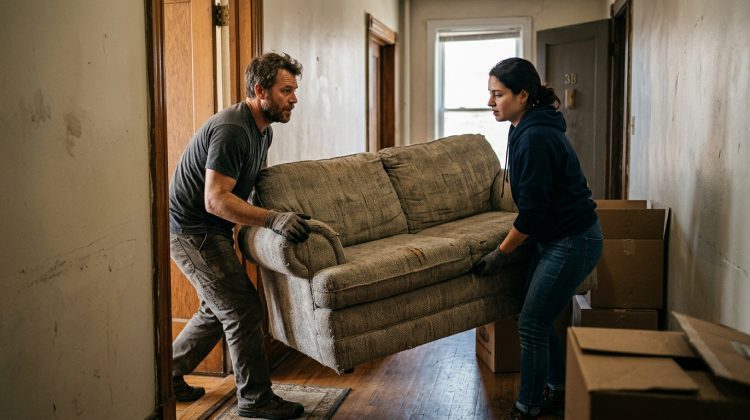
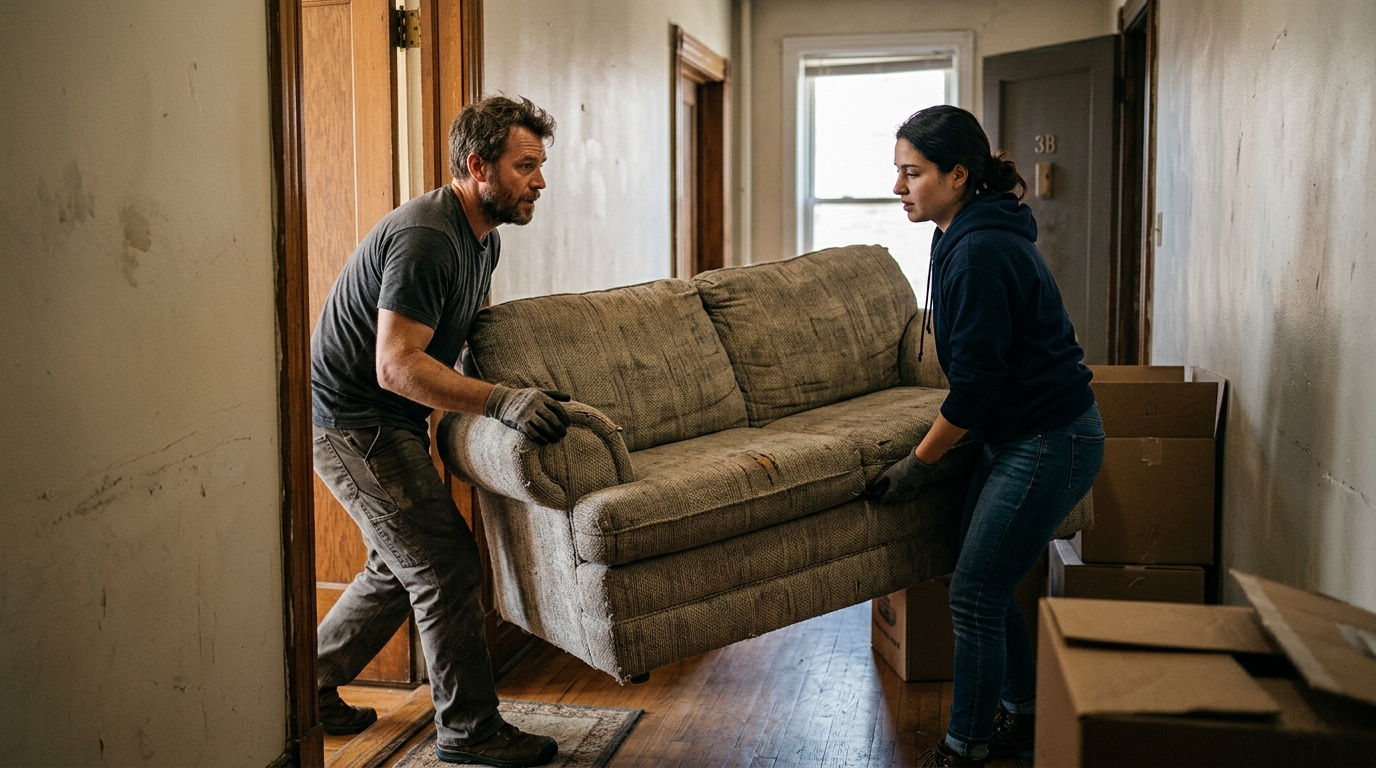
This is the number-one entry vector nationwide. Bed bugs hide in seams, crevices, and wooden frames of secondhand furniture. A mattress or upholstered couch offers dozens of hiding spots—box springs, zipper edges, tufting, and underside fabric. Even solid wood furniture like dressers and nightstands can harbor bed bugs in joints and screw holes.
Many people acquire infested furniture from curbside pickups, thrift stores, or online marketplaces. The bugs remain dormant for months without feeding, so furniture that looks clean can still be infested. Always inspect every piece with a flashlight before bringing it indoors, focusing on seams and hidden surfaces.
2. Luggage After Travel
Hotels, motels, and short-term rentals are common transfer points. Bed bugs live near where people sleep, so even high-end hotels can have isolated infestations. When you place luggage on a bed or upholstered chair, bugs crawl inside. They hide in suitcase seams, pockets, and folds of packed clothing.
After every trip, inspect your luggage outdoors or in a garage before bringing it inside. Unpack directly into a washing machine when possible. Vacuum suitcase interiors and wipe hard-shell luggage with a damp cloth.
3. Guests’ Bags and Clothing
Visitors can unknowingly carry bed bugs from their homes. Overnight bags, purses, backpacks, and coats all provide hiding spots. If a guest has an infestation at home, bugs may cling to their belongings. This is especially common when hosting relatives or friends for extended stays.
Politely ask overnight guests to place bags on hard surfaces (tile, wood) rather than beds or upholstered furniture. Provide a luggage rack or hard chair for their belongings.
4. Shared Laundry Rooms
Apartment buildings, dorms, and laundromats pose risk. Bed bugs fall off infested clothing and linens into shared washers, dryers, and folding tables. They then crawl into your clean laundry basket or bag. Dryer heat kills bed bugs at all life stages, but they can survive on room-temperature surfaces for months.
Use a sealed laundry bag or basket with a lid. Transport clean laundry in a fresh bag, and never set it on shared folding surfaces. Fold at home on a clean table.
5. Public Transit and Rideshares
Buses, trains, taxis, and rideshare vehicles can harbor bed bugs in upholstered seats. Commuters and travelers with infested homes transfer bugs to fabric seats, where they wait for the next passenger. While less common than furniture or luggage transmission, this vector affects urban residents who rely on public transportation daily.
Avoid placing bags or coats on seats when possible. Inspect your clothing and bags after long commutes, especially if you sat on upholstered seats.
6. Secondhand Clothing Without Washing
Thrift stores, consignment shops, and garage sales occasionally sell infested clothing. Bed bugs hide in folds, pockets, and seams. Clothing stored in infested homes picks up bugs before donation. The insects survive for weeks in plastic bags and bins.
Always wash and dry secondhand clothing on high heat immediately after purchase, before storing it in your closet. If an item is dry-clean only, place it in a sealed bag and take it directly to the cleaner, informing them of potential bed bugs.
7. From Adjoining Apartments Through Wall Voids
In multi-unit buildings, bed bugs travel through shared walls. They crawl through electrical outlets, plumbing penetrations, baseboards, and cracks in drywall. If a neighboring unit has a severe infestation, bugs actively search for new hosts. This is most common in densely populated buildings with older construction.
Seal cracks around baseboards, outlets, and pipes with caulk. Install outlet covers designed to block pests. If you live in an apartment and discover bed bugs, notify your landlord immediately—treating one unit while neighbors remain infested leads to re-infestation.
If you’re in northern New Jersey and want a professional inspection, call 1-877-323-3284 for a free phone estimate. Anywhere else, look for a licensed local exterminator with same-day availability.
Entry Vector Comparison: Risk Level and Prevention
The table below ranks each entry point by relative risk and outlines the most effective prevention step for each scenario.
| Entry Vector | Relative Risk | Primary Prevention Step |
|---|---|---|
| Used furniture (mattresses, couches) | Very High | Flashlight inspection of all seams, joints, and underside fabric before bringing indoors |
| Luggage after travel | High | Inspect and vacuum luggage outdoors; wash all clothing in hot water immediately |
| Guests’ bags and clothing | Moderate | Provide hard-surface storage for guest belongings; avoid placing bags on beds |
| Shared laundry rooms | Moderate | Use sealed transport bags; fold laundry only at home on clean surfaces |
| Public transit and rideshares | Low to Moderate | Avoid placing bags on upholstered seats; inspect clothing after extended travel |
| Secondhand clothing | Moderate | Wash and dry all items on high heat before storing in closets |
| Adjoining apartments (wall voids) | Moderate to High* | Seal all cracks, outlets, and plumbing penetrations; notify landlord of infestations |
*Risk increases significantly in buildings with known infestations or poor maintenance.
Common Myths About How You Get Bed Bugs
Misinformation about bed bug transmission leads to ineffective prevention. Let’s address the most persistent myths.
Myth: Bed Bugs Only Infest Dirty Homes
Bed bugs are not attracted to dirt, clutter, or garbage. They feed exclusively on blood and are drawn to carbon dioxide, body heat, and targeted signals humans emit. A meticulously clean home is just as vulnerable as a cluttered one. Clutter provides more hiding spots, making detection harder, but it doesn’t cause infestations.
Myth: Bed Bugs Jump or Fly Onto You
Bed bugs cannot jump or fly. They have no wings and lack the leg structure for jumping. They crawl at a steady pace—about four feet per minute—and rely on direct contact with infested items to spread. This is why furniture and luggage are the primary vectors.
Myth: You Can See Bed Bugs Easily
Adult bed bugs are visible (about the size of an apple seed), but nymphs and eggs are tiny and translucent. Early infestations often go unnoticed for weeks. Bed bugs are nocturnal and hide during the day in cracks as thin as a credit card. By the time you see live bugs, the infestation is usually well-established.
Myth: Bed Bugs Only Live in Beds
While beds are the most common harborage because bugs feed at night, they also infest couches, recliners, baseboards, electrical outlets, picture frames, and even electronics. They hide anywhere within 15 feet of where people sleep or rest for extended periods.
Key takeaway: Bed bugs spread through human activity, not poor hygiene. Any home can become infested if an infested item crosses the threshold. Prevention relies on vigilant inspection of high-risk items and immediate action when you identify potential exposure.
What to Do Next: Inspection and Prevention Checklist
If you suspect you’ve been exposed to bed bugs or want to reduce your risk, follow this actionable checklist:
- Inspect used furniture thoroughly before bringing it indoors. Use a flashlight and magnifying glass to check seams, tufts, and undersides. Look for live bugs, shed skins, dark fecal spots, and tiny white eggs.
- Establish a travel routine: At hotels, place luggage on a hard surface (desk, bathtub) and inspect the mattress seams and headboard before unpacking. After returning home, unpack outdoors or in a garage. Wash all clothing in hot water and dry on high heat for at least 30 minutes.
- Use mattress and box spring encasements on your beds. These zippered covers trap any existing bugs inside and prevent new ones from entering. Choose encasements labeled specifically for bed bug prevention.
- Reduce clutter in bedrooms and living areas to eliminate hiding spots and make inspection easier. Store off-season clothing in sealed plastic bins.
- Vacuum regularly, focusing on baseboards, mattress seams, and upholstered furniture. Immediately dispose of vacuum bags in sealed plastic bags outside your home.
- Seal cracks and crevices around baseboards, outlets, and plumbing with caulk to block travel routes, especially in multi-unit buildings.
- Educate household members about how bed bugs spread. Children and teens should know not to place backpacks or coats on friends’ beds during visits.
If you discover signs of bed bugs—live insects, dark spots on bedding, or unexplained bites in a line or cluster—act immediately. Early detection makes treatment faster and less invasive. The EPA’s guidance on protecting your home from bed bugs at https://www.epa.gov/bedbugs/protecting-your-home-bed-bugs offers additional federal resources for homeowners and renters.
Professional treatment typically involves a thorough inspection, targeted liquid applications to harborage areas, insect growth regulators to disrupt reproduction, and follow-up visits to ensure complete elimination. Licensed exterminators have access to professional-grade products and protocols that DIY methods cannot match.
Frequently Asked Questions
Can bed bugs come from outside, like from grass or trees?
No. Bed bugs are indoor parasites that evolved to live near human hosts. They don’t survive outdoors in grass, soil, or trees. They also don’t live on pets like fleas or ticks. If you find bugs outdoors, they’re likely a different insect species.
How long can bed bugs live without feeding?
Adult bed bugs survive 2 to 6 months without a blood meal under typical indoor conditions. In cool environments with low activity, they can enter a dormant state and survive up to a year. This is why abandoned furniture and vacant apartments can still harbor viable populations.
Do bed bugs spread disease?
Current research shows bed bugs are not known to transmit diseases to humans. Their primary impact is discomfort from bites, potential allergic reactions, anxiety, and sleep disruption. If you experience severe bite reactions or secondary infection from scratching, consult your doctor or dermatologist.
Can I get bed bugs from a movie theater or office?
While rare, it’s possible. Bed bugs occasionally infest public seating in theaters, offices, libraries, and waiting rooms. They’re more common in places where people sleep or rest for extended periods. Inspect your belongings after visiting any location with upholstered seating if you’re concerned.
What should I do if my neighbor has bed bugs?
If you live in an apartment or condo, notify your landlord or property manager immediately. Request a professional inspection of your unit, even if you haven’t seen bugs. Seal all cracks and penetrations in shared walls. Treating one unit without addressing neighboring infestations often leads to re-infestation within weeks.
Are bed bugs visible to the naked eye?
Adult bed bugs are visible—they’re about 4 to 5 millimeters long, reddish-brown, and flat (before feeding). Nymphs are smaller and lighter in color, making them harder to spot. Eggs are tiny (1 millimeter), white, and sticky, usually laid in cracks and seams. Early detection requires careful inspection with good lighting.
Can washing and drying clothes kill bed bugs?
Yes. Washing in hot water (at least 120°F) and drying on high heat for 30 minutes kills bed bugs at all life stages—adults, nymphs, and eggs. If an item cannot be washed, place it in a dryer on high heat for 30 minutes, or seal it in a plastic bag for several months to starve any bugs inside.
Understanding how bed bugs enter your home empowers you to prevent infestations before they start. Vigilance with used furniture, post-travel routines, and household inspections protects your space. If you do encounter bed bugs, professional treatment offers the fastest and most reliable path to elimination.
Related Reading
Think You Have Bed Bugs? Here’s Your Next Step.
Free phone estimates, same-day treatment across Bergen, Passaic, and Morris Counties. Talk to a licensed technician now.
Call 1-877-323-3284When you choose a local exterminator, look for these three things:
- State pesticide-applicator license (verify on your state’s Department of Environmental Protection site)
- Written treatment plan with follow-up visits included
- Same-day or next-day availability for active infestations